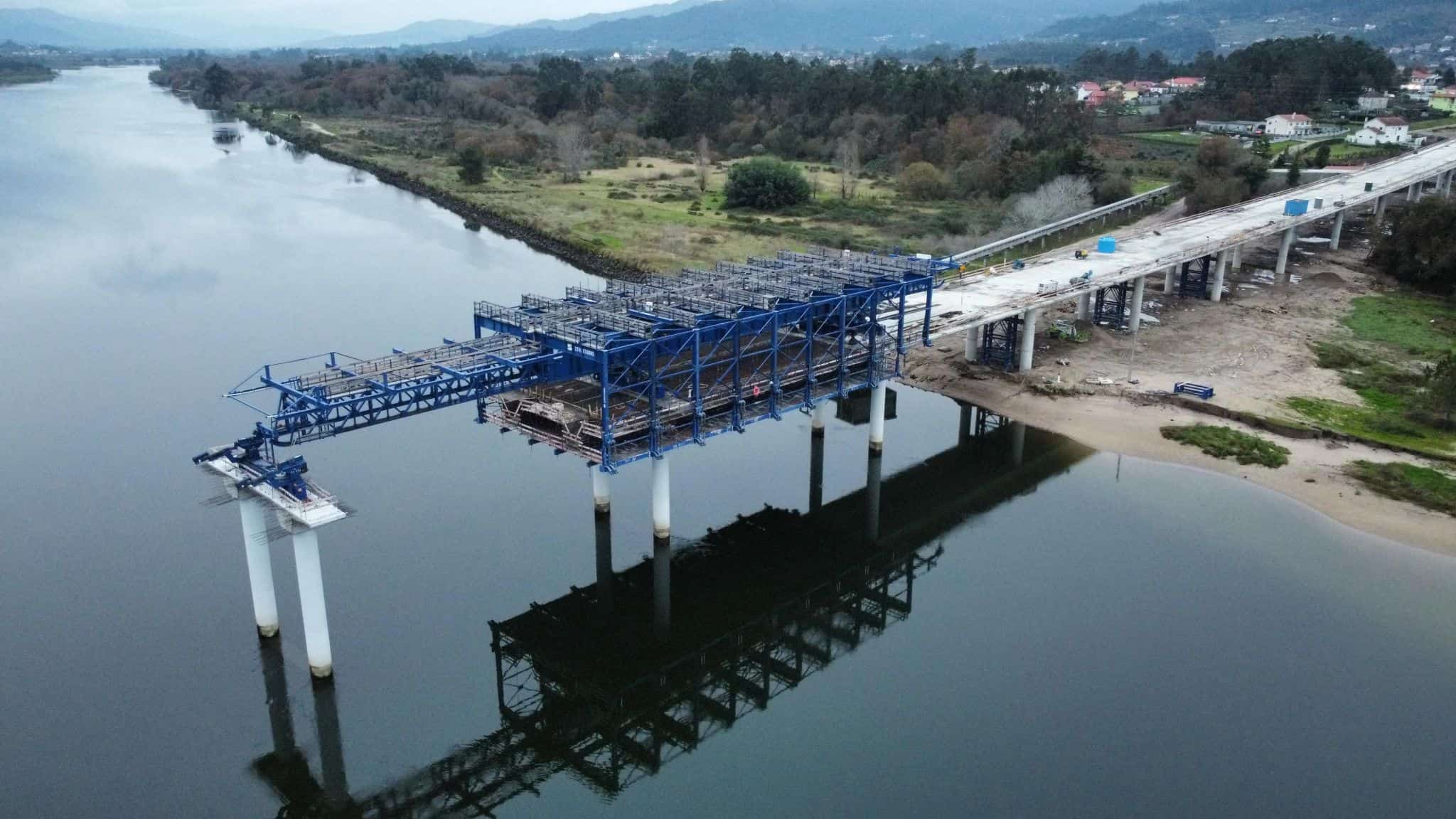
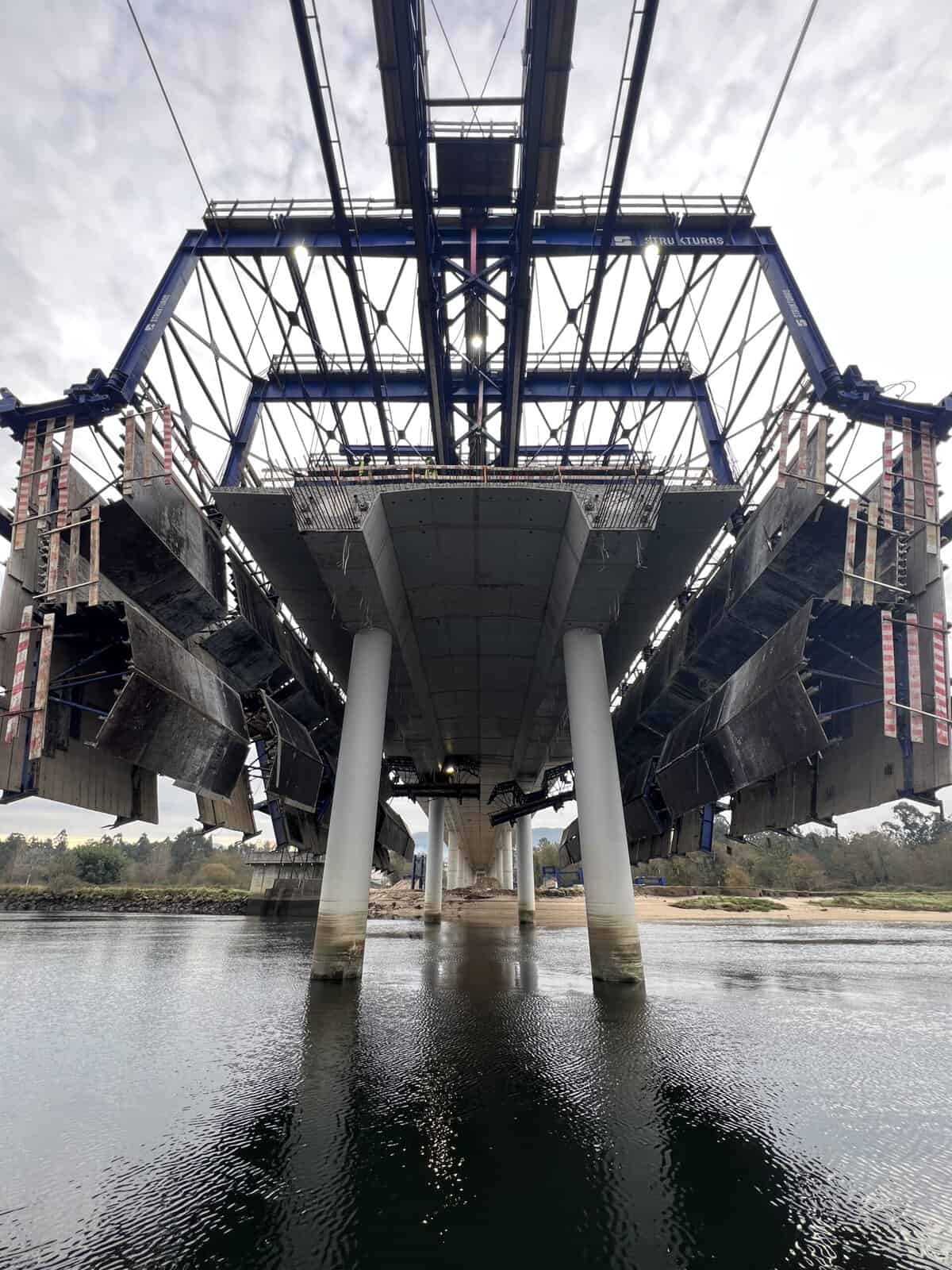
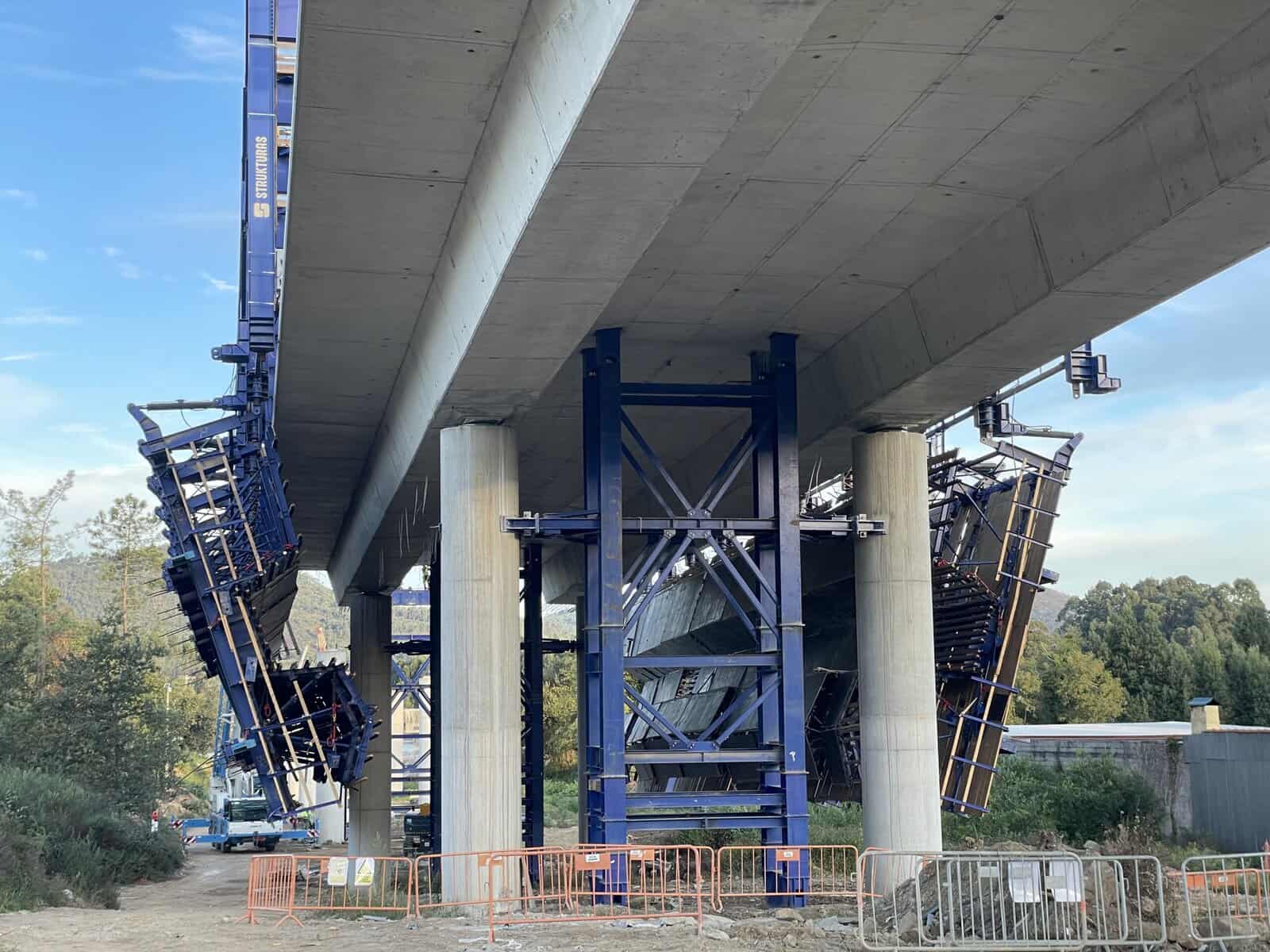
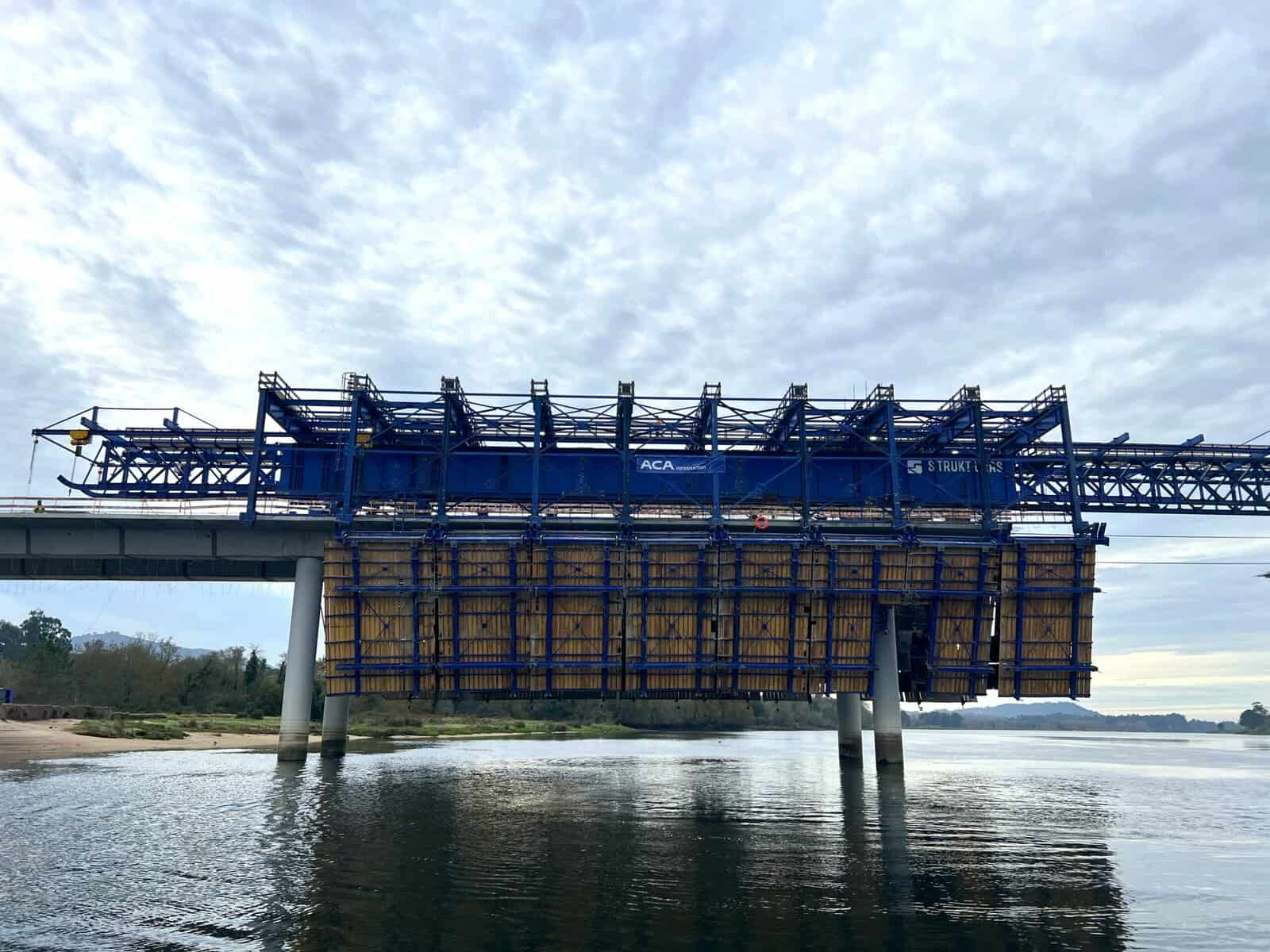
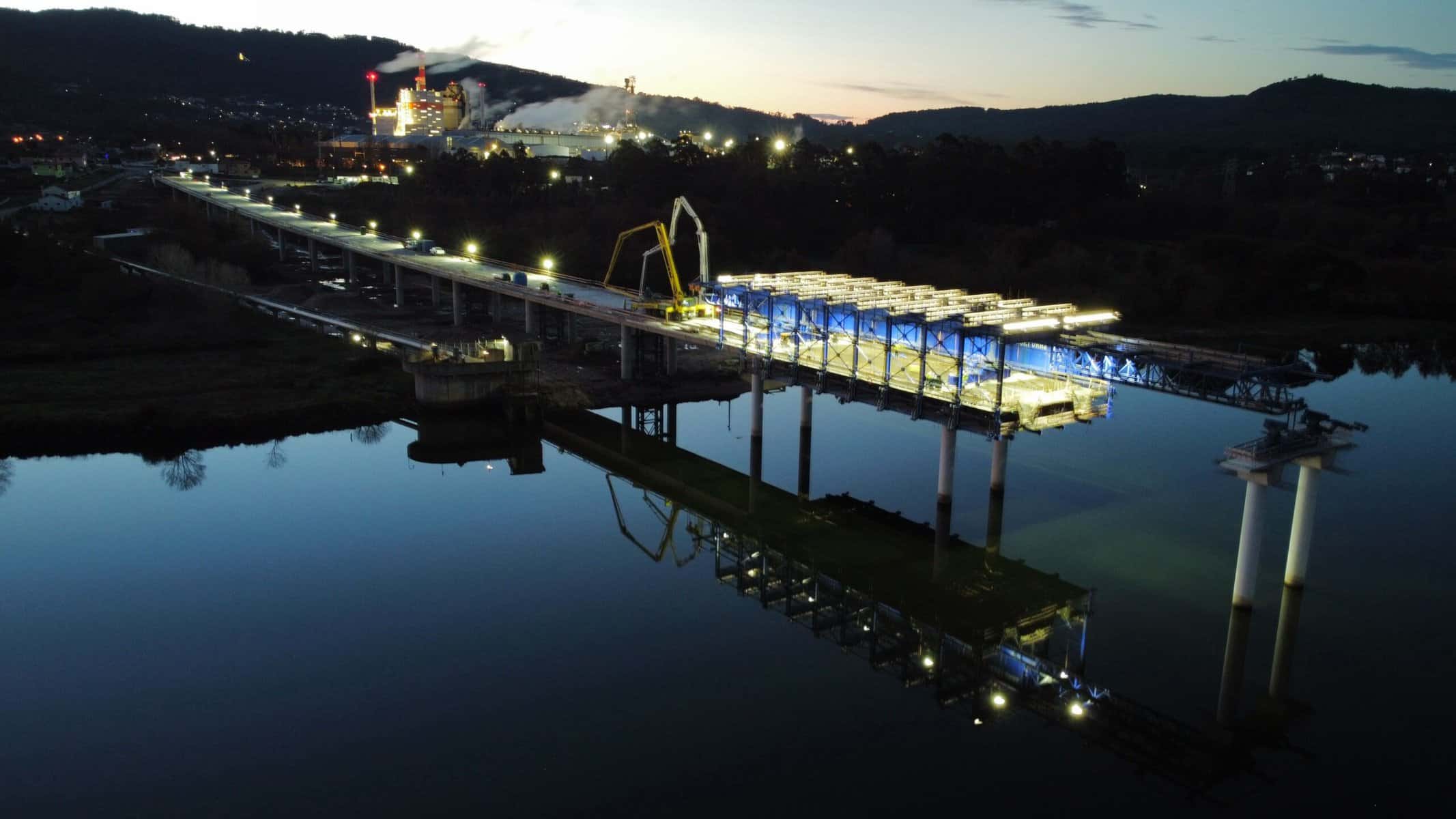
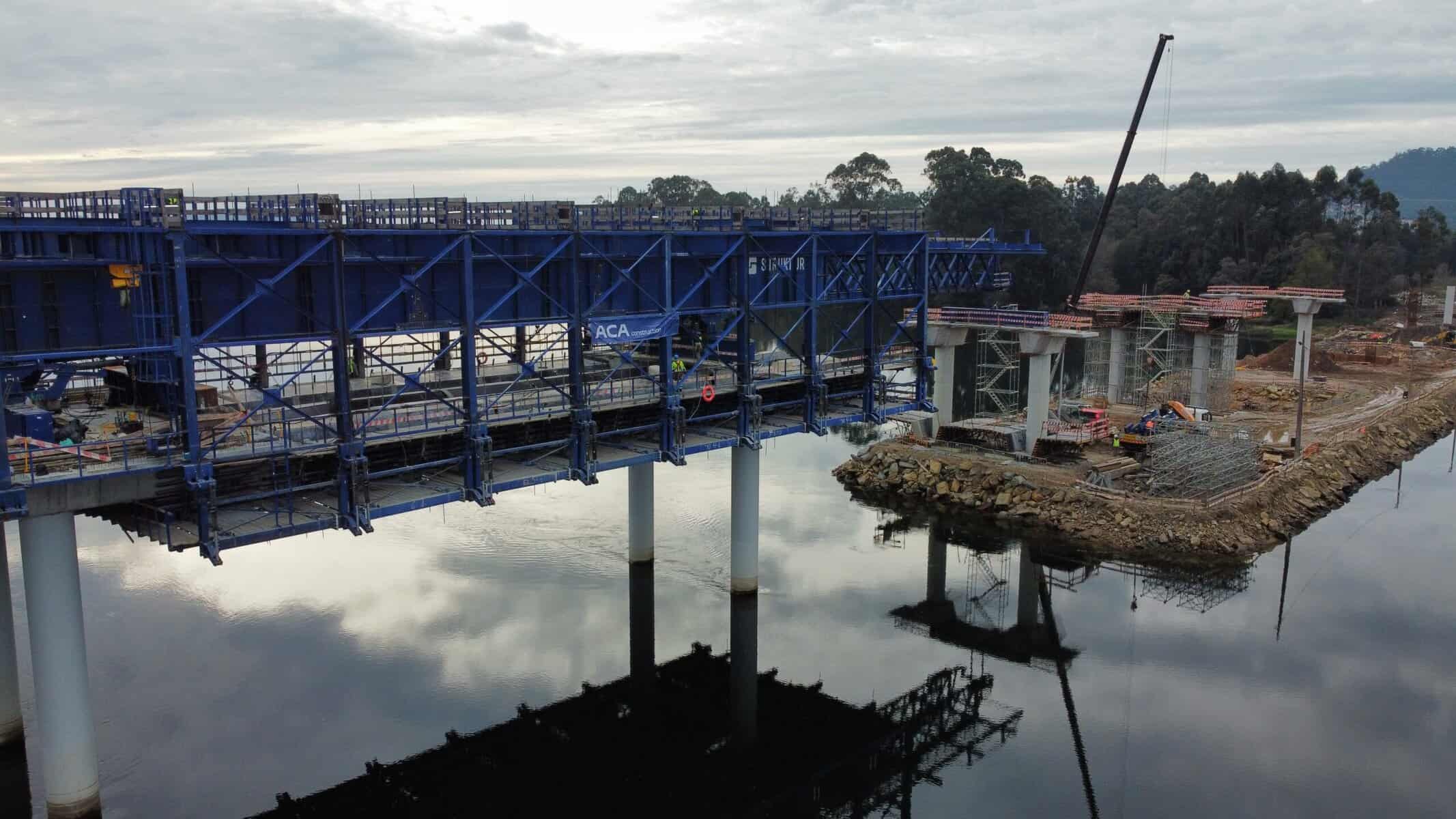
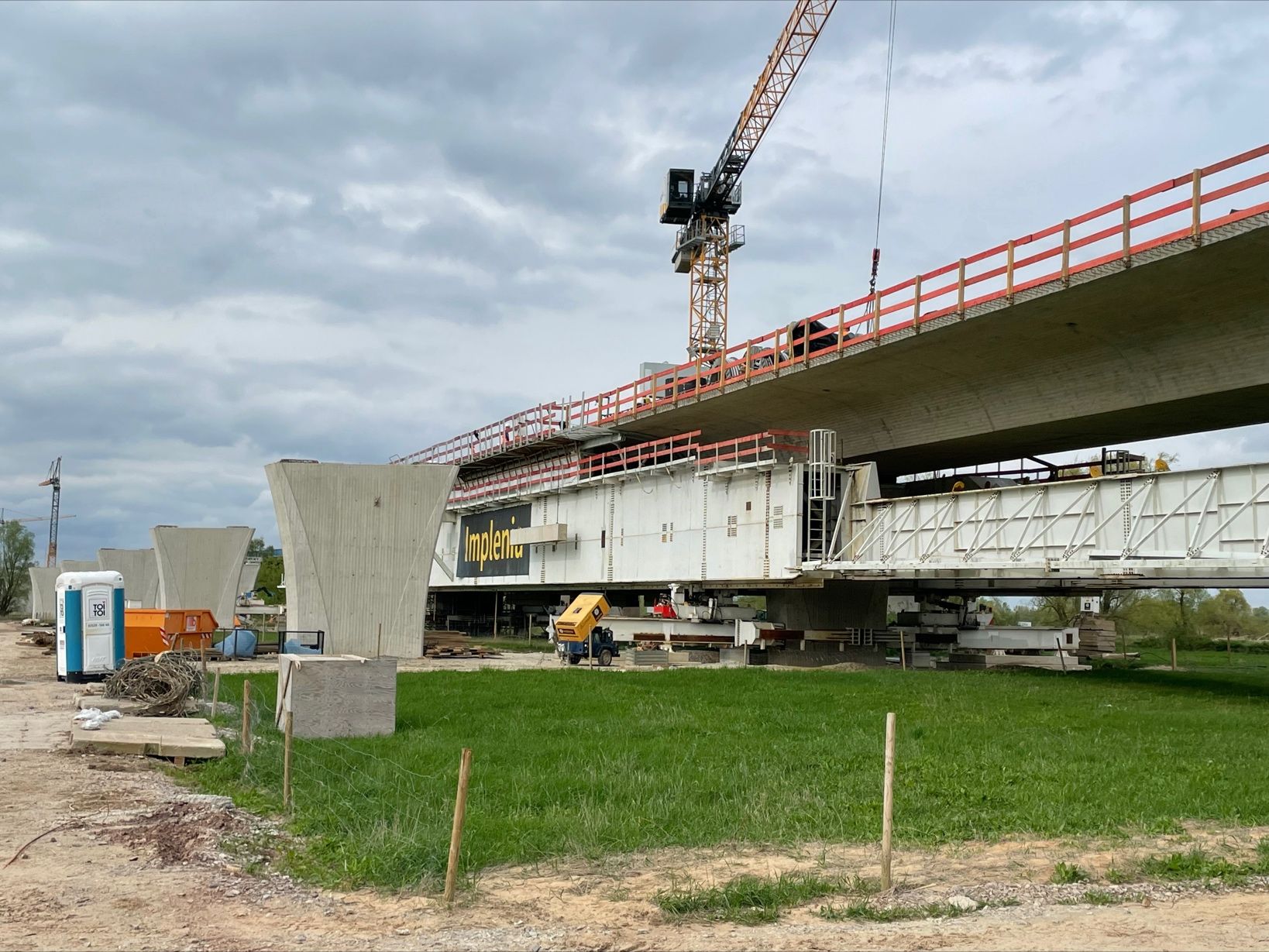
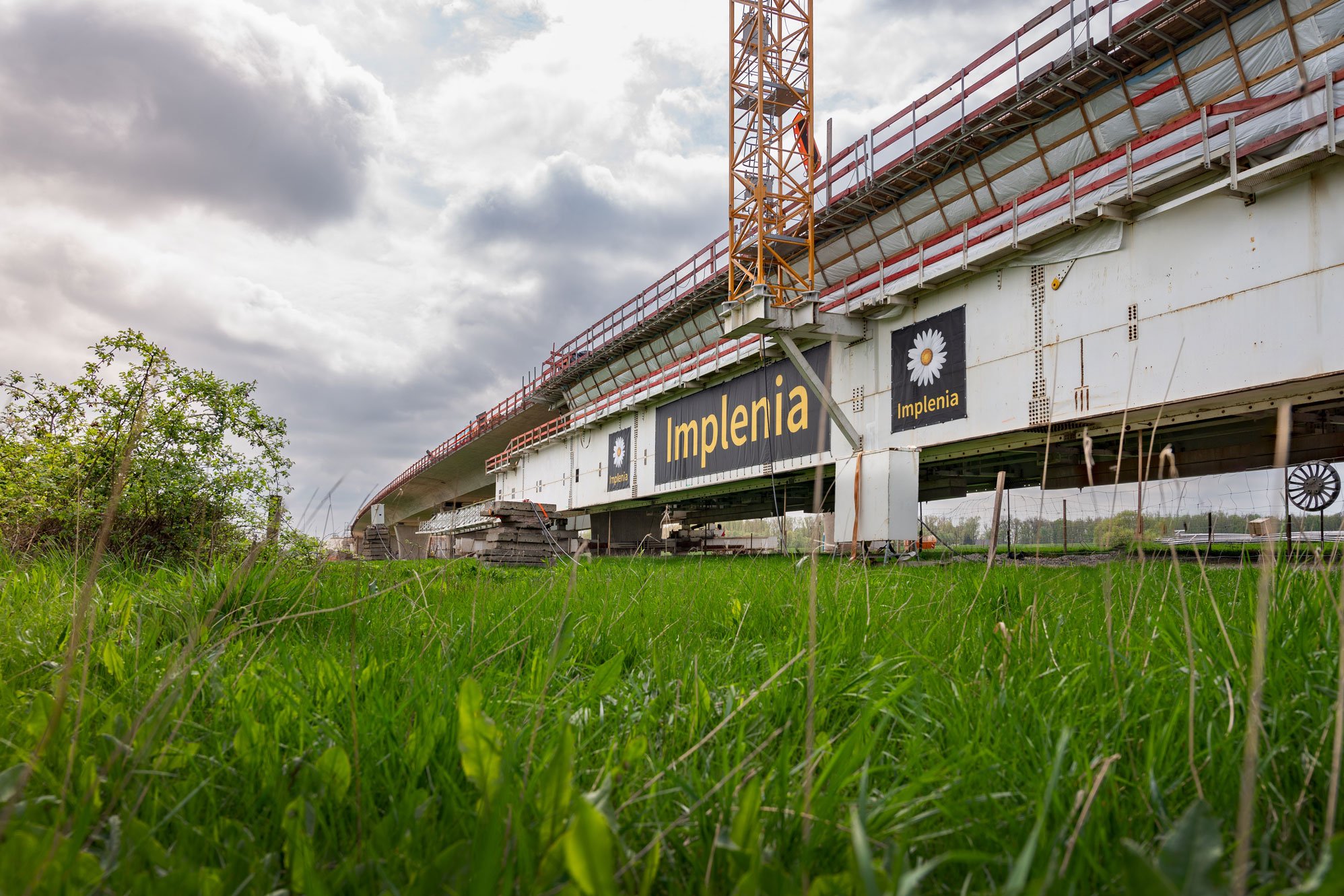
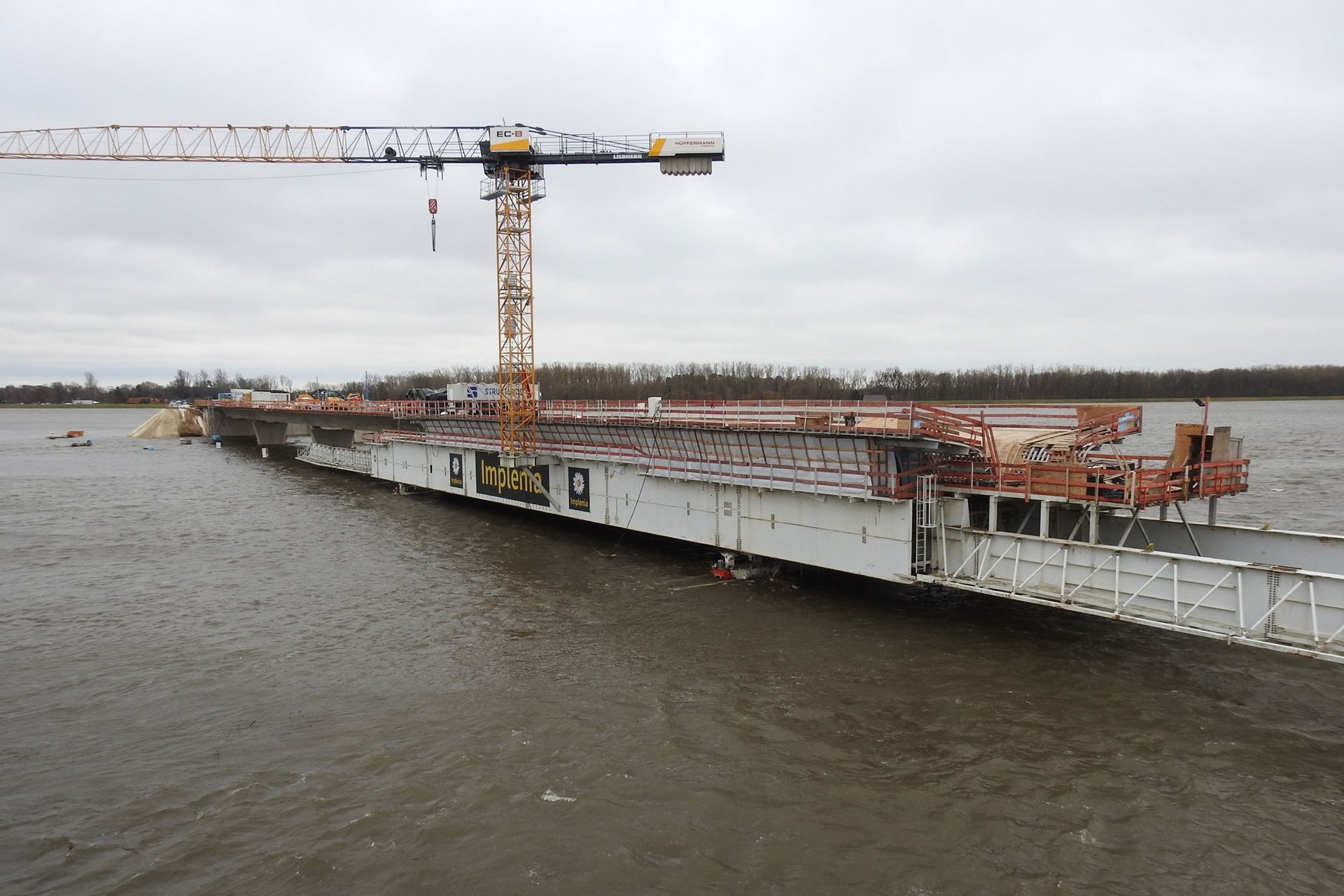
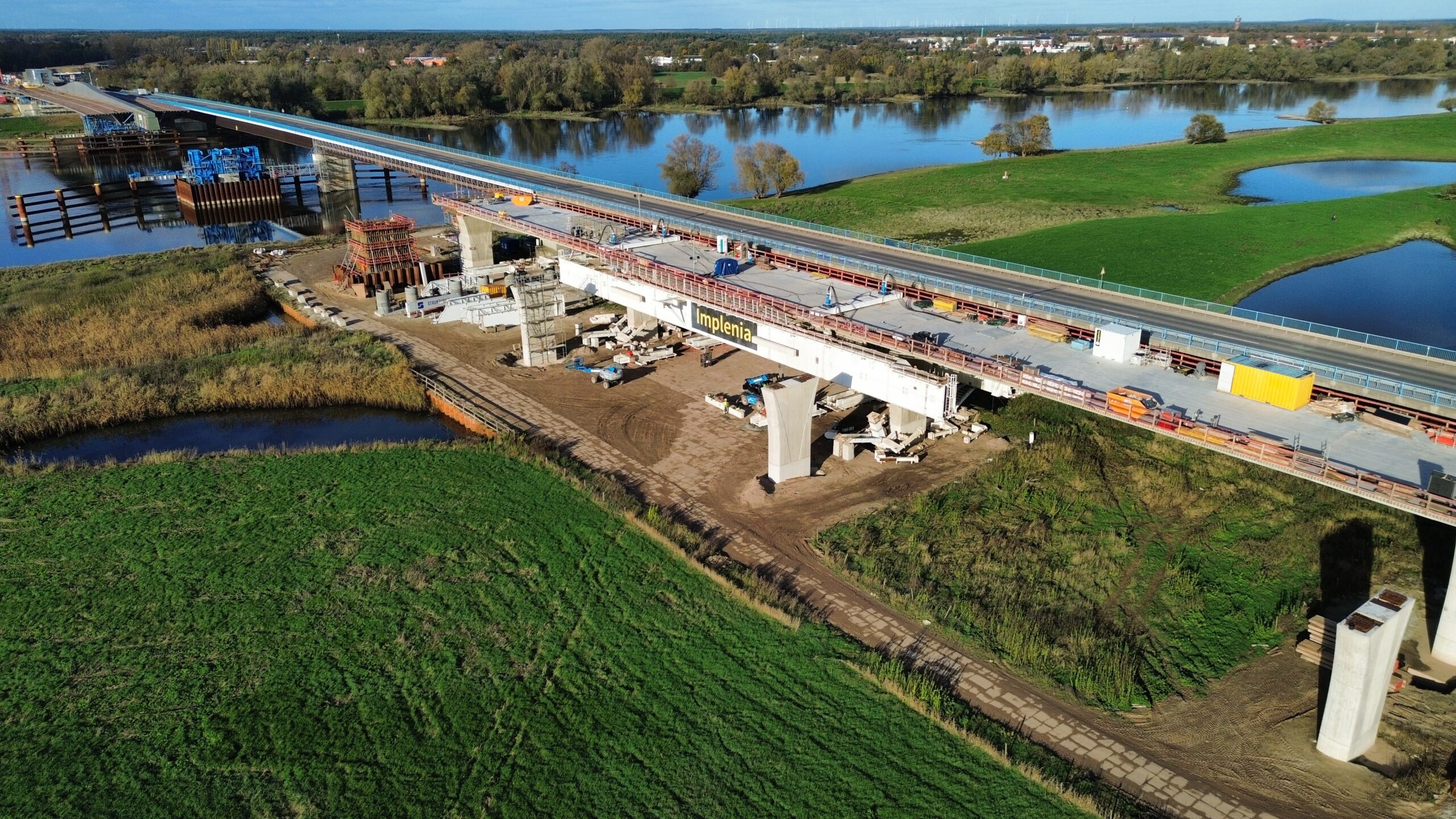
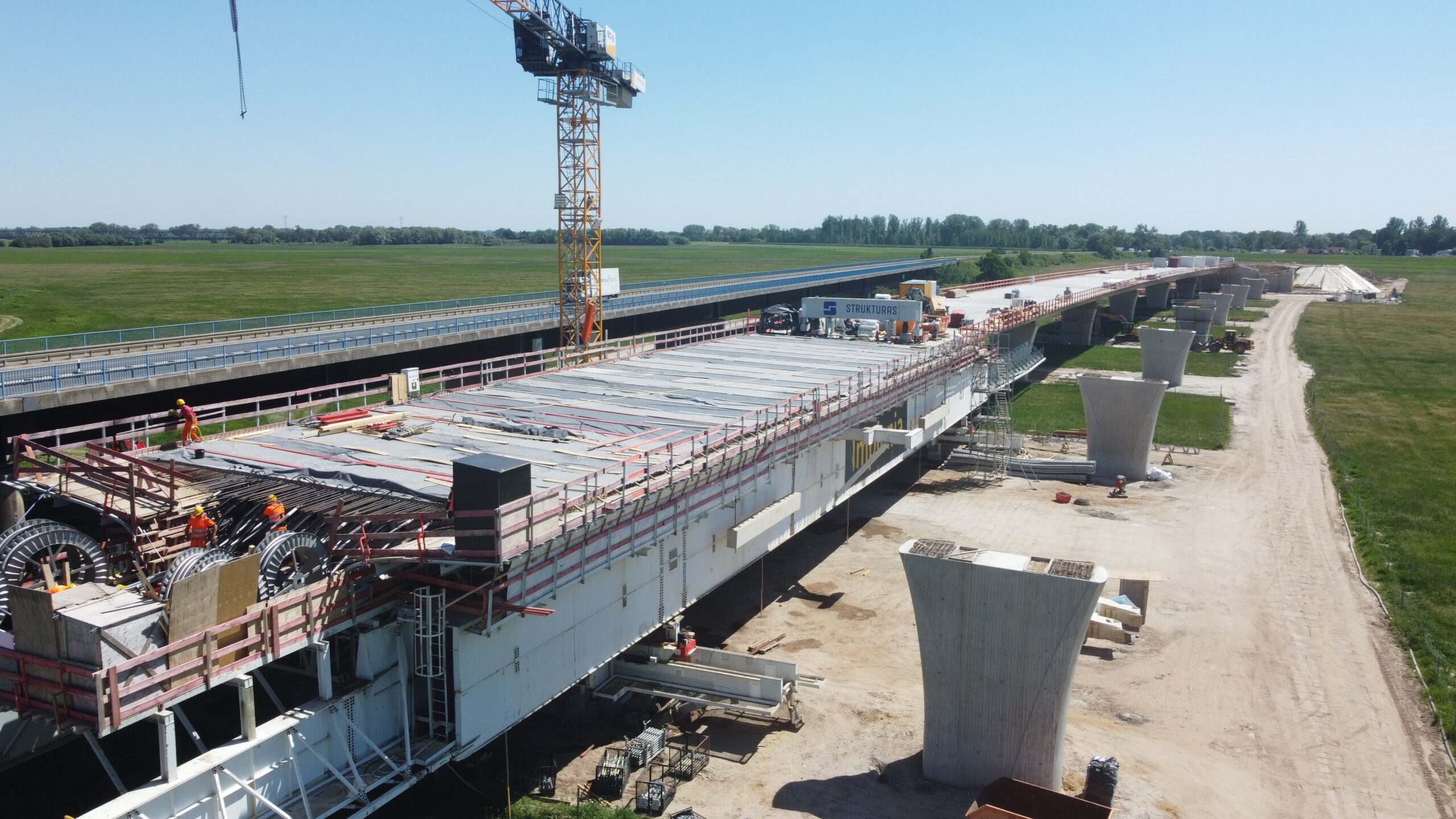
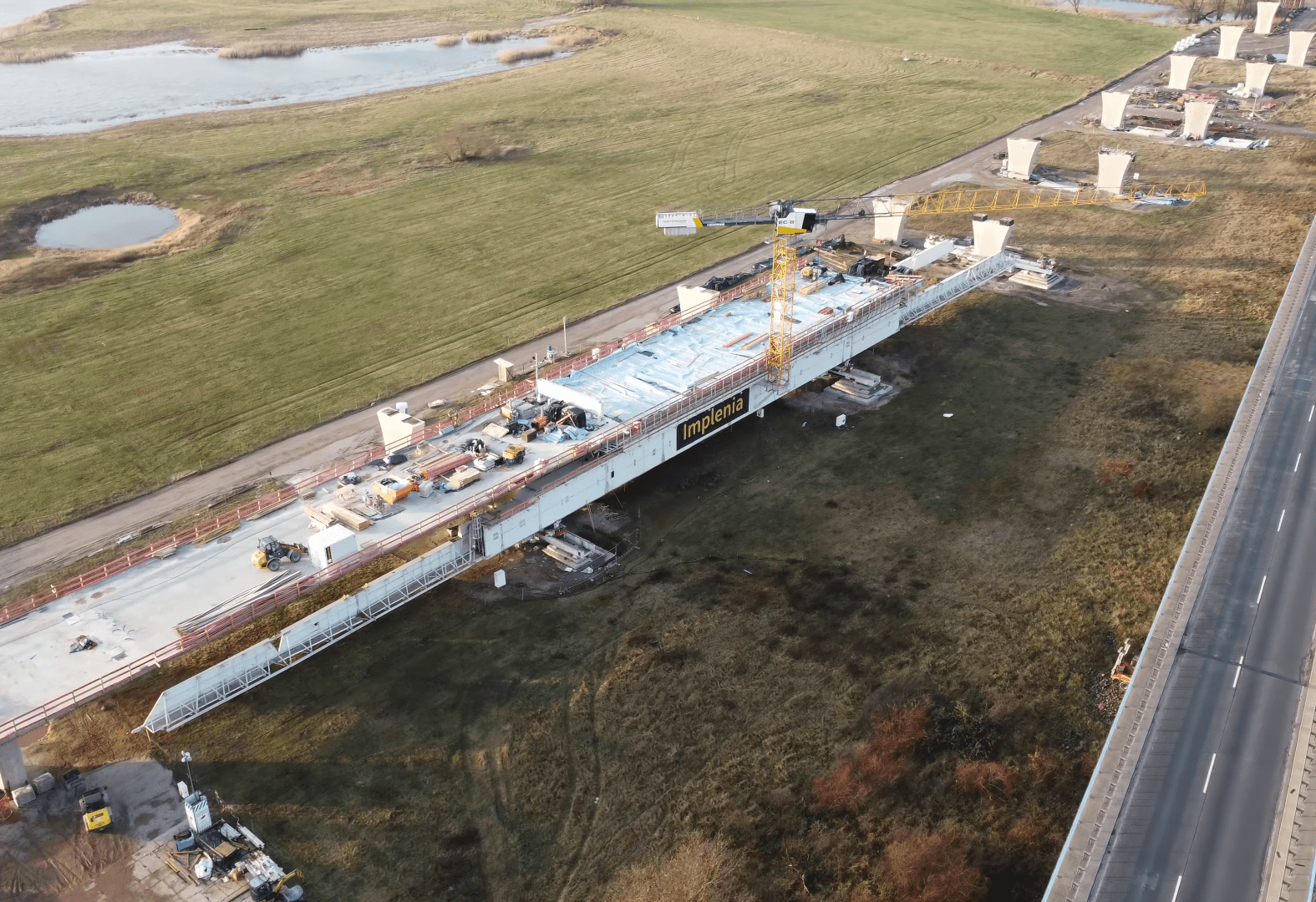
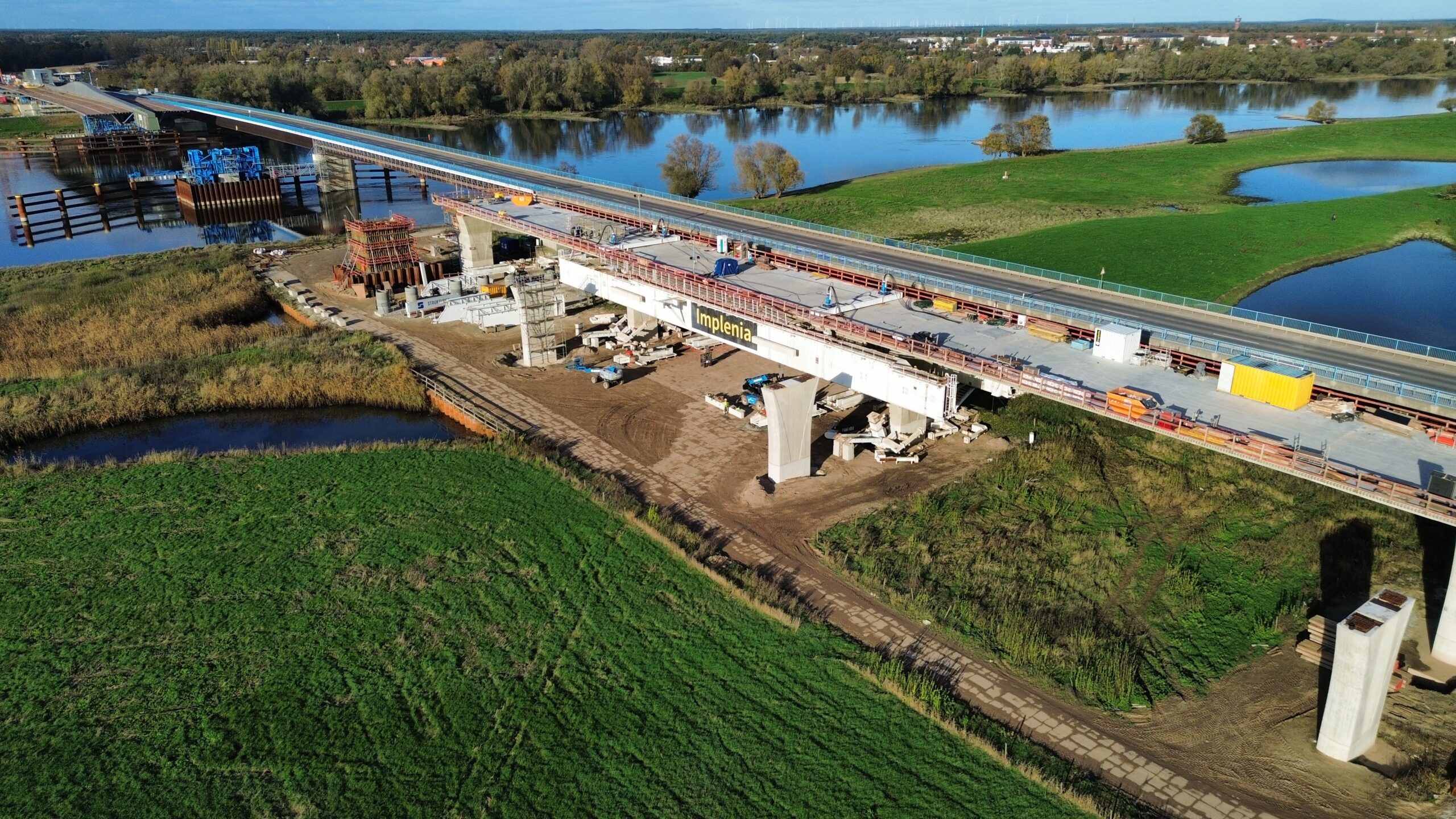
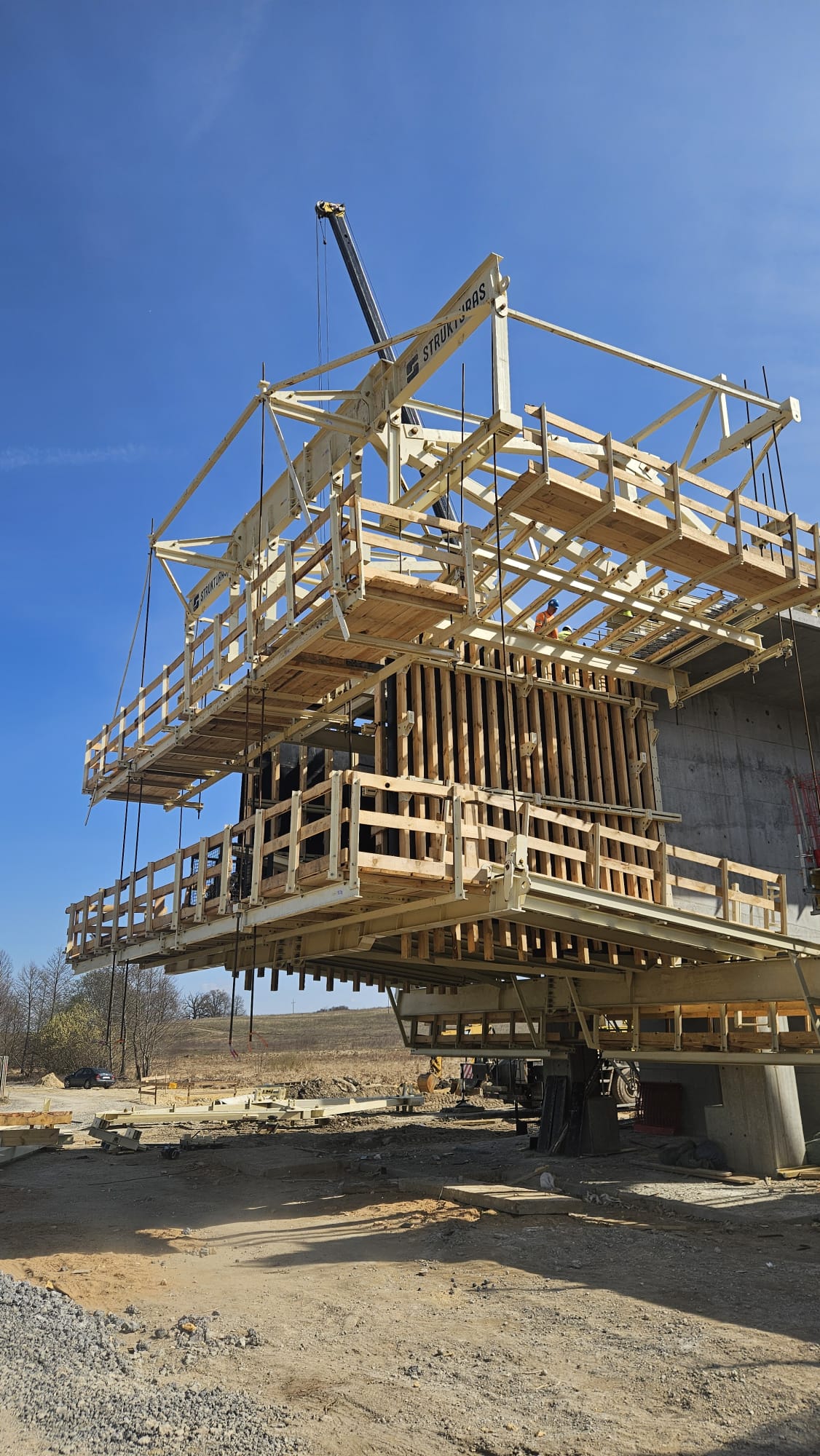
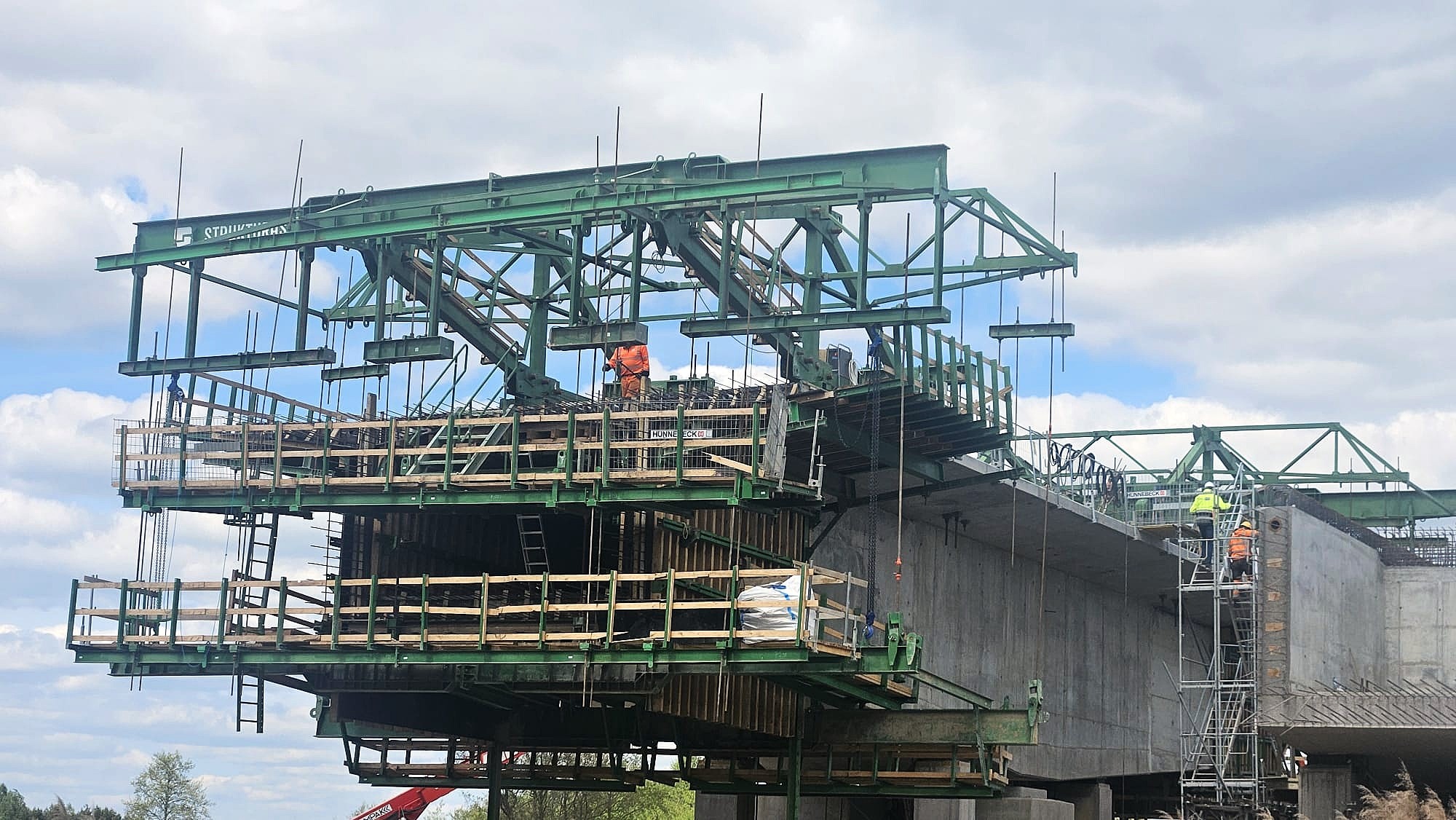
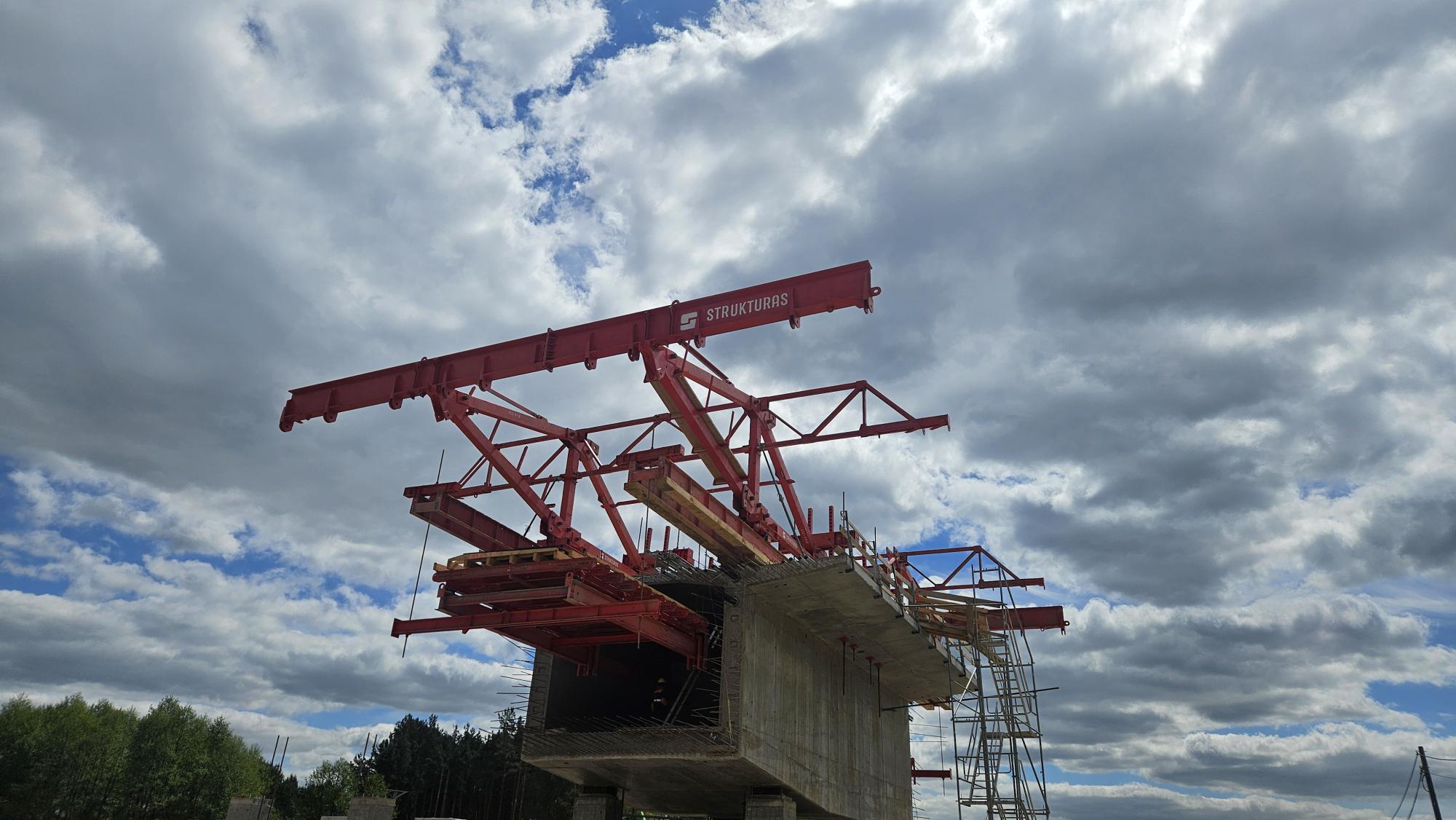
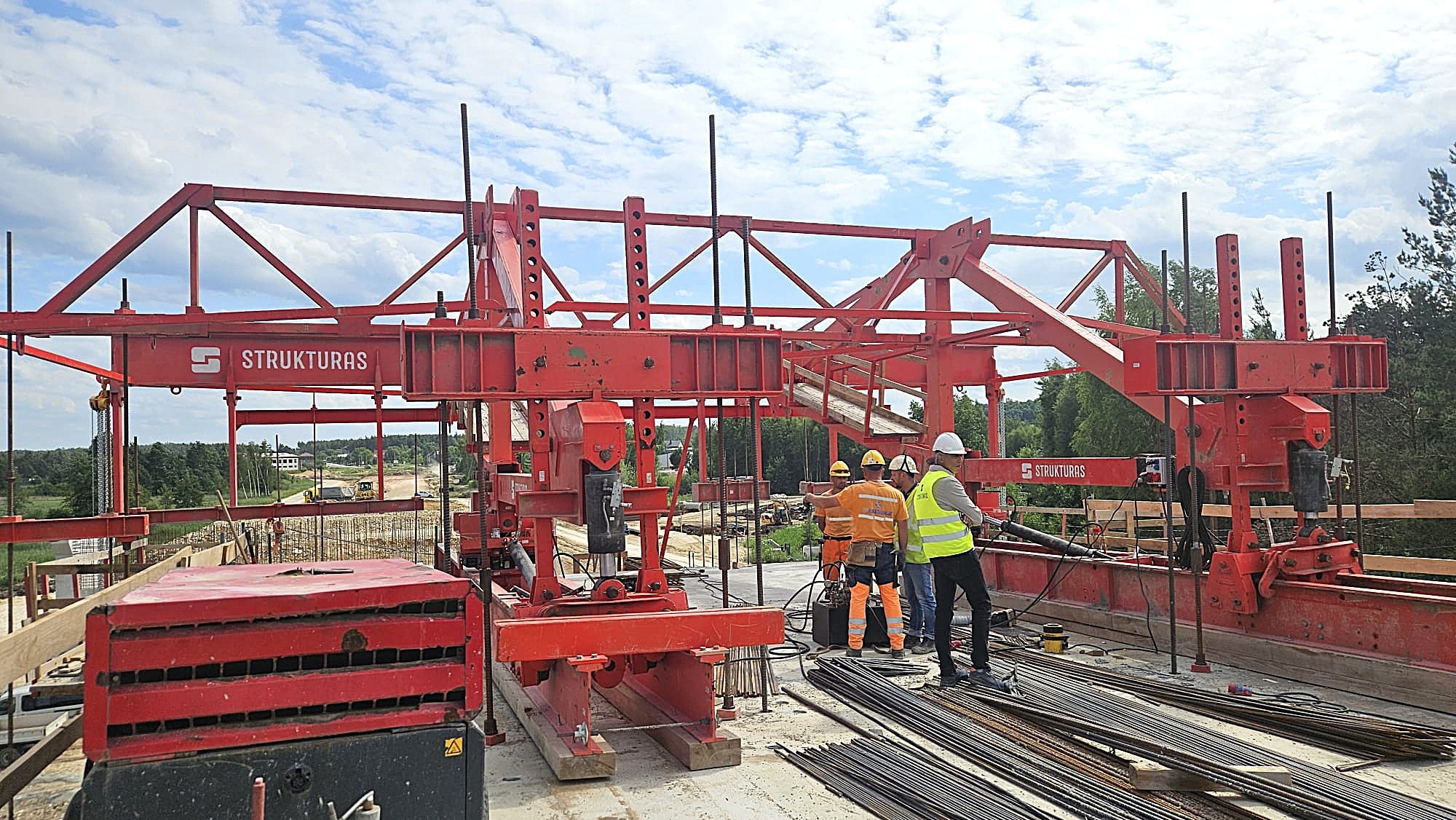
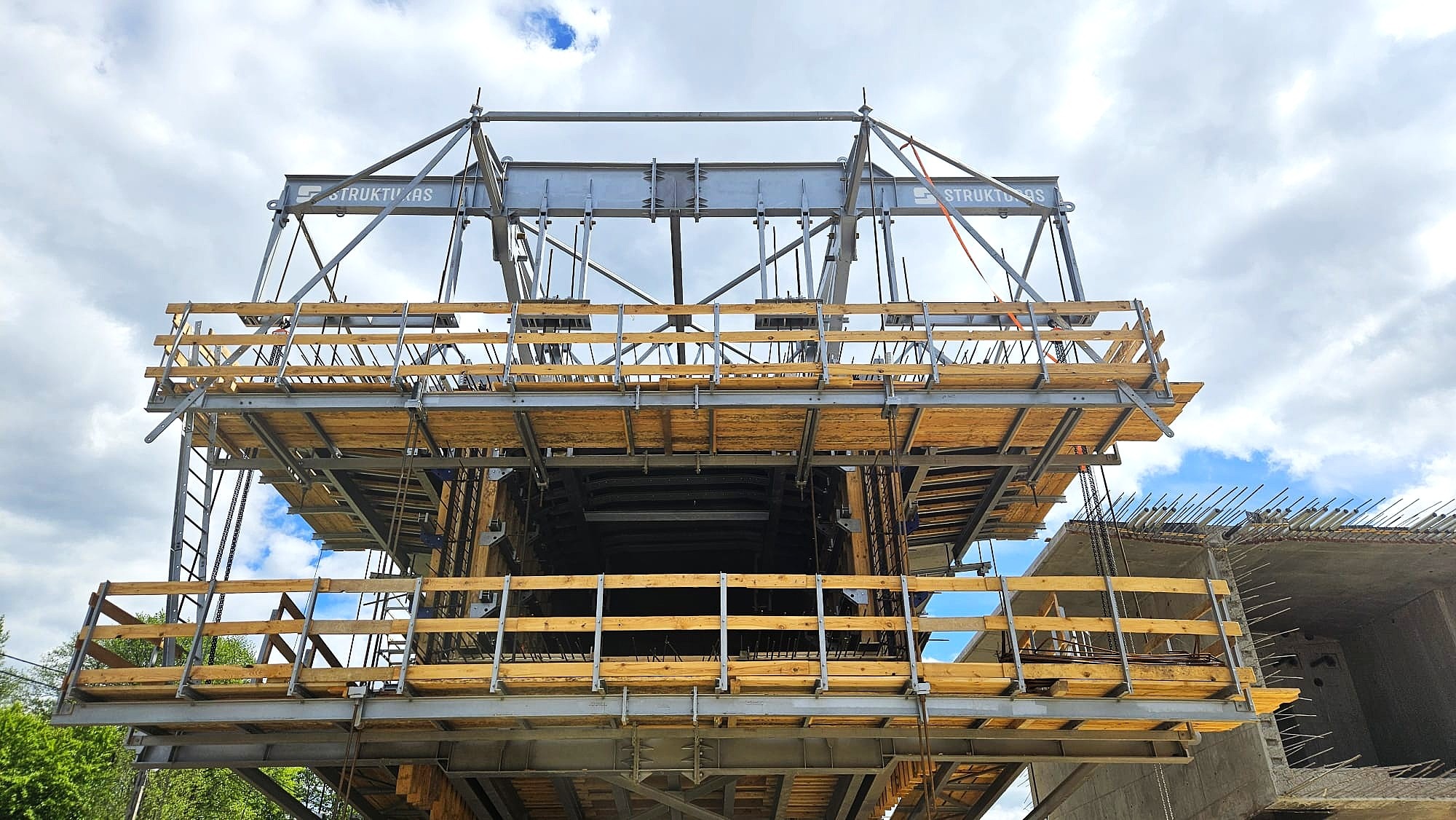
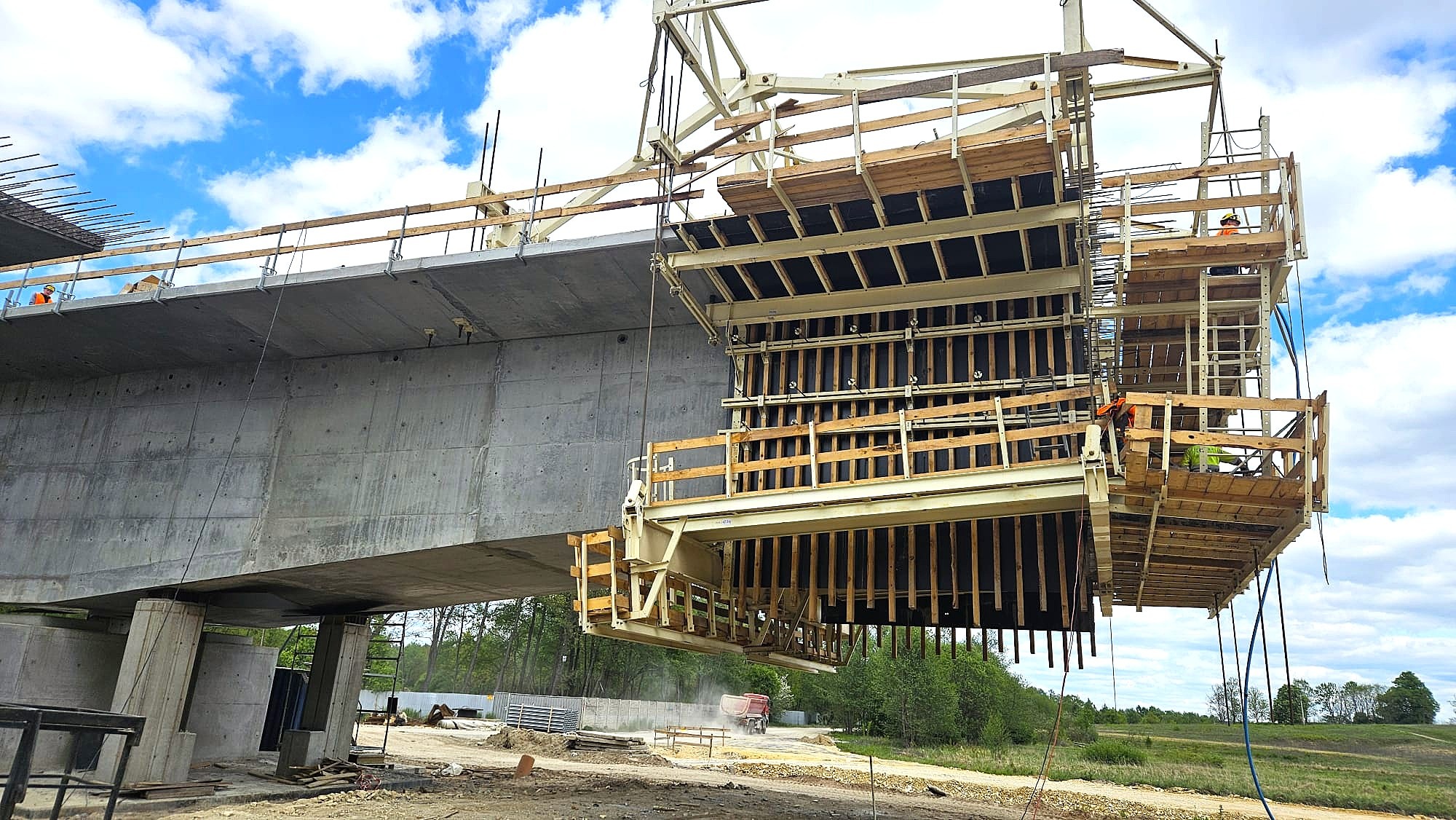
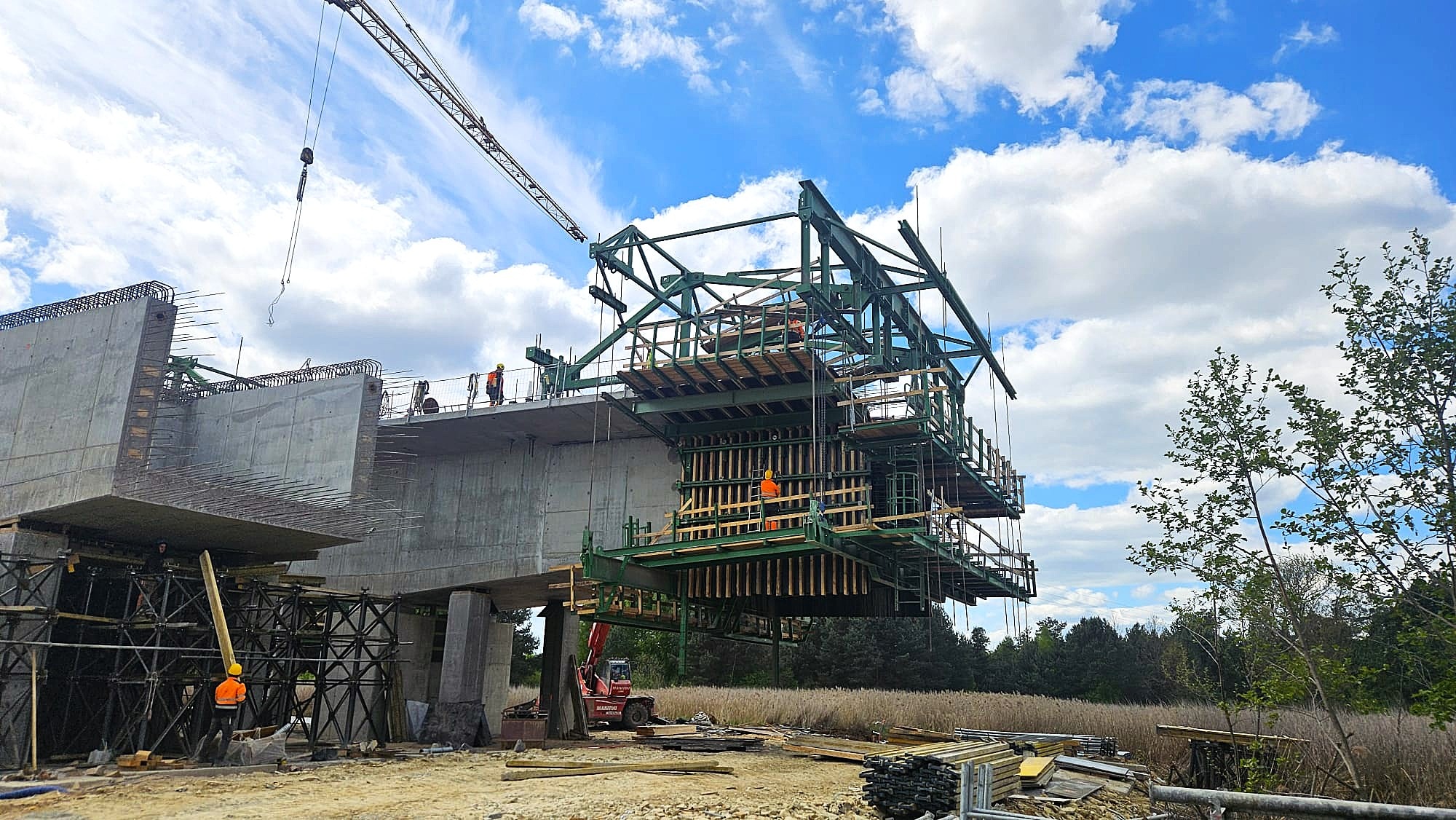
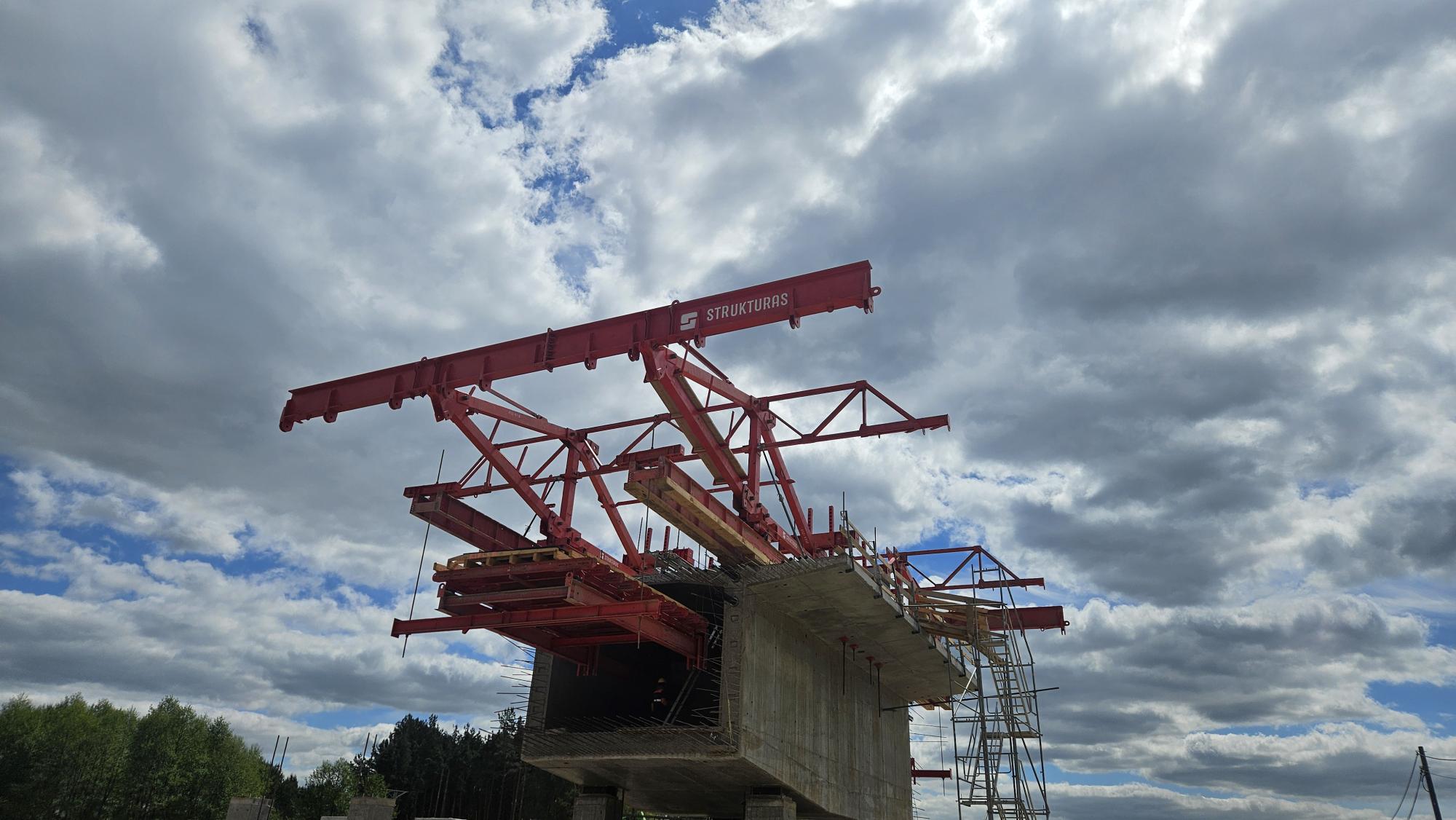
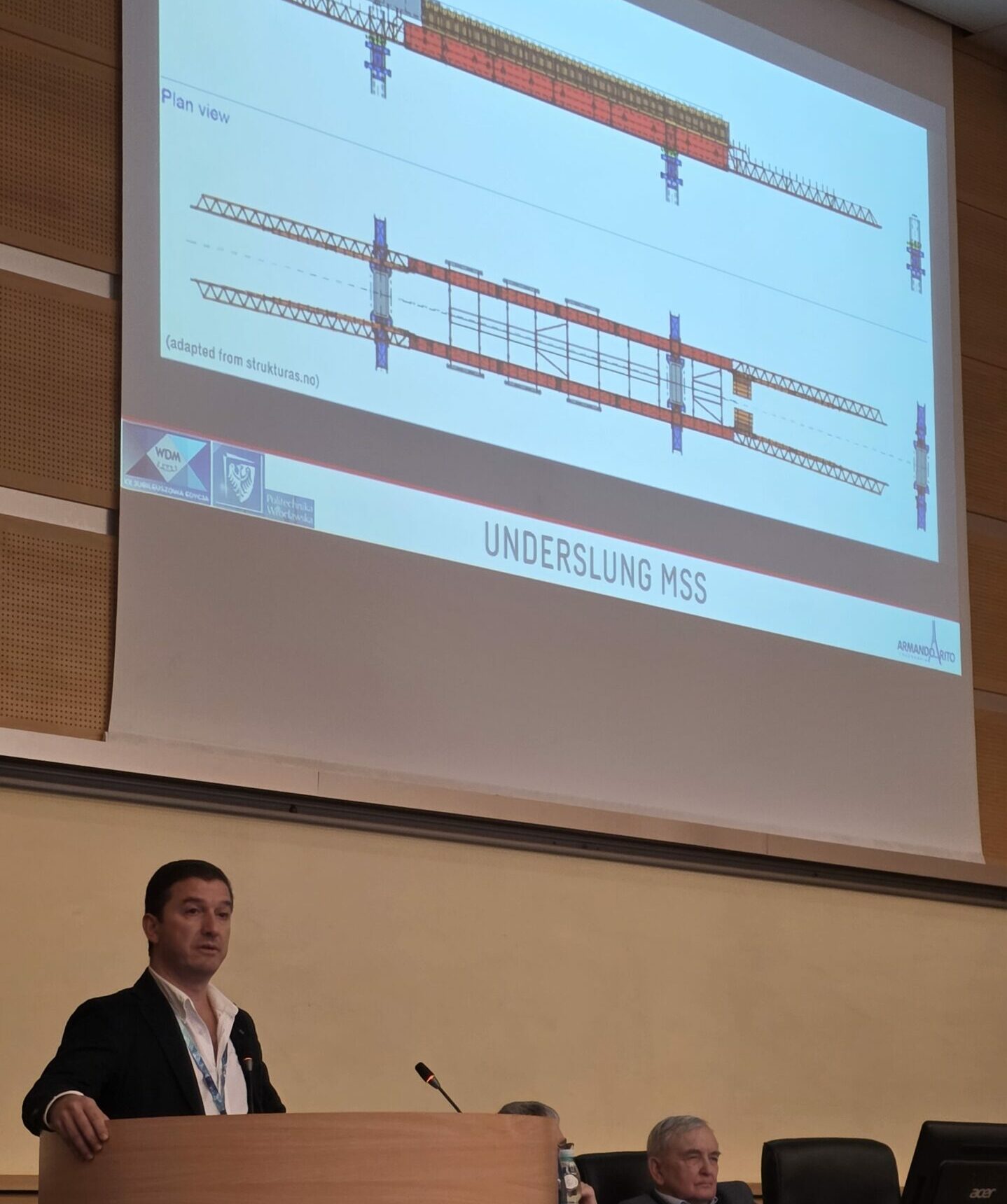
The use of Movable Scaffolding Systems (MSS) represents one of the most advanced forms of industrialisation in the construction of prestressed reinforced concrete bridge decks.
More than a formwork system, the Movable Scaffolding System constitutes a mobile production unit that enables the application of classical industrial engineering principles to heavy construction, namely production planning, work study, and the corresponding optimisation of operational flows.
This article proposes an integrated interpretation of the Movable Scaffolding System from three complementary perspectives: the historical framework and conceptual evolution of this type of equipment; its interpretation as a mobile industrial unit — a true “factory in motion”; and the systematic application of work study methodologies as instruments for optimising production cycles executed with reduced crews.
It is argued that the full industrialisation of construction using the MSS begins in the structural design of the deck and piers — prioritising geometric and constructive simplicity and repetition — and culminates in a site organisation closely aligned with classical industrial models, oriented toward productivity, predictability, and operational efficiency.
HISTORICAL FRAMEWORK
The invention and development of the MSS is closely linked to the evolution of prestressed reinforced concrete bridge and viaduct construction, particularly for decks with significant longitudinal development integrating multiple spans typically ranging from 30 m to 50 m. The consolidation of this concept resulted from technical advances concentrated in the late 1950s and early 1960s, with prominence in Germany.
Until the end of the 1950s, the scaffolding systems used in concrete deck construction predominantly consisted of ground-supported structures, which had to be dismantled and reassembled span by span.
From a historical and technical perspective, the name most consistently associated with the birth of the Movable Scaffolding System is the German engineer Hans Wittfoht (1924–2011).
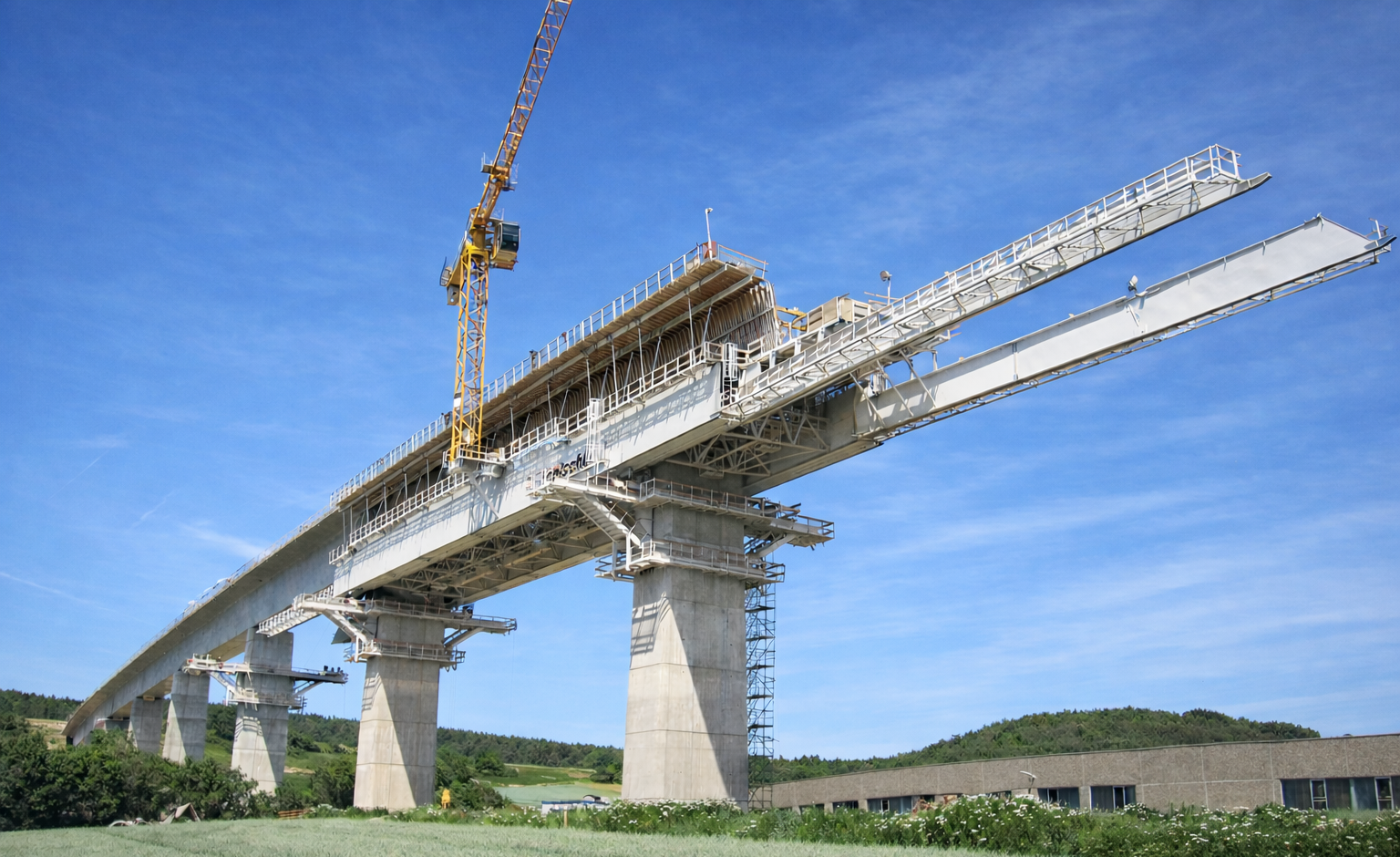
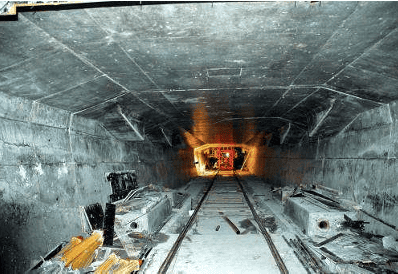
The Krahnenbergbrücke bridge, Figure 1, built between 1961 and 1964, is widely recognised as the first fully developed application of a system exclusively supported on the piers and launched to the next span as a single unit.
In the construction of this bridge, the scaffolding ceased to be merely temporary falsework and became a self-supporting structure equipped with its own launching devices, forming a repetitive system and a true production unit.
The concept of the MSS was thus developed within German engineering and was subsequently disseminated internationally.
THE MOVABLE SCAFFOLDING SYSTEM AS A FACTORY IN MOTION
The emergence of the MSS introduced a clear break from the traditional logic of prestressed concrete bridge construction that prevailed until the late 1950s, by transforming the construction site into an industrial-type production environment.
Unlike conventional methods, in which resources are dispersed across the site, and operations vary significantly from span to span, the MSS concentrates, within a single mobile unit, all the resources required for the systematic execution of the deck.
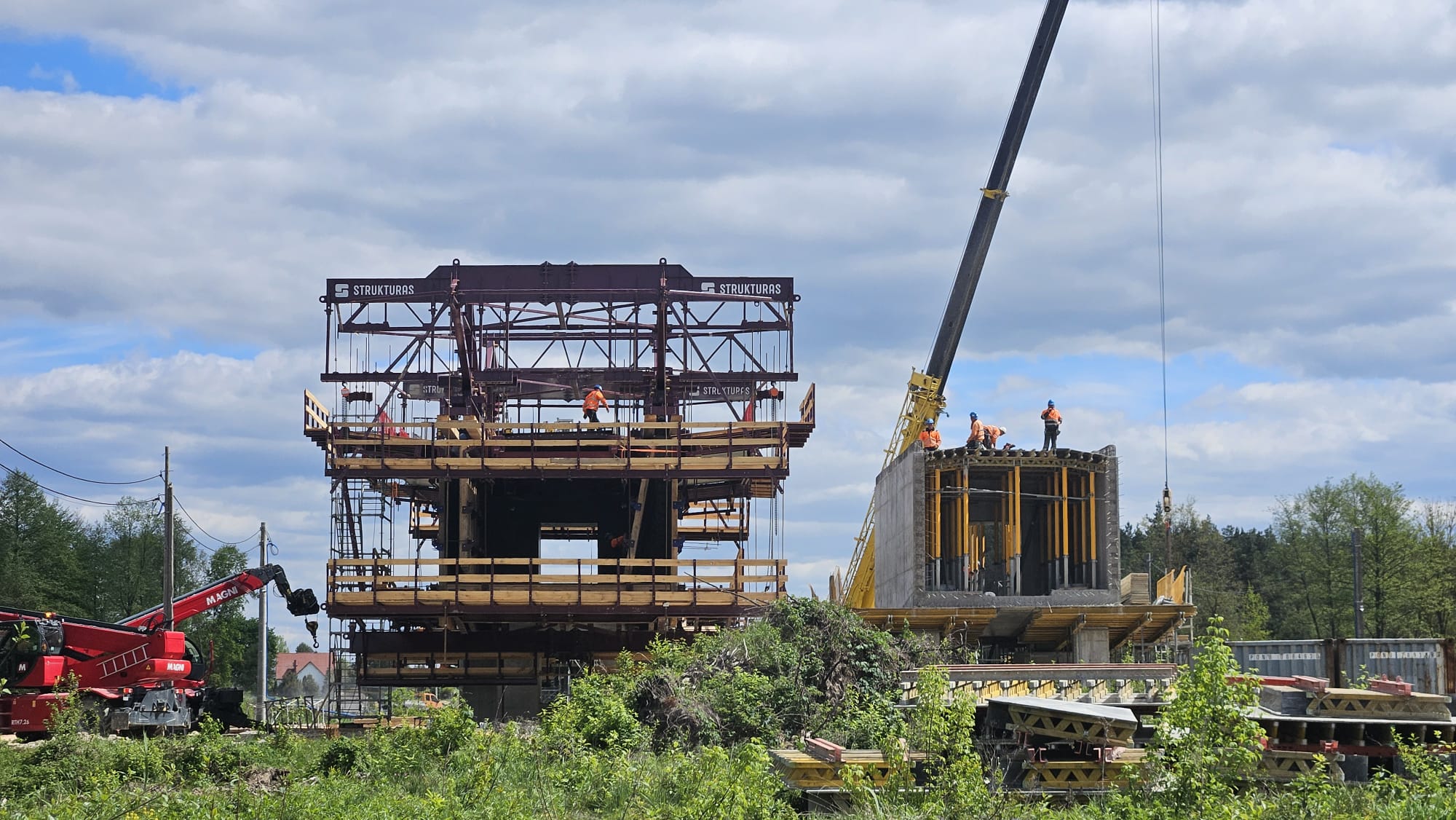
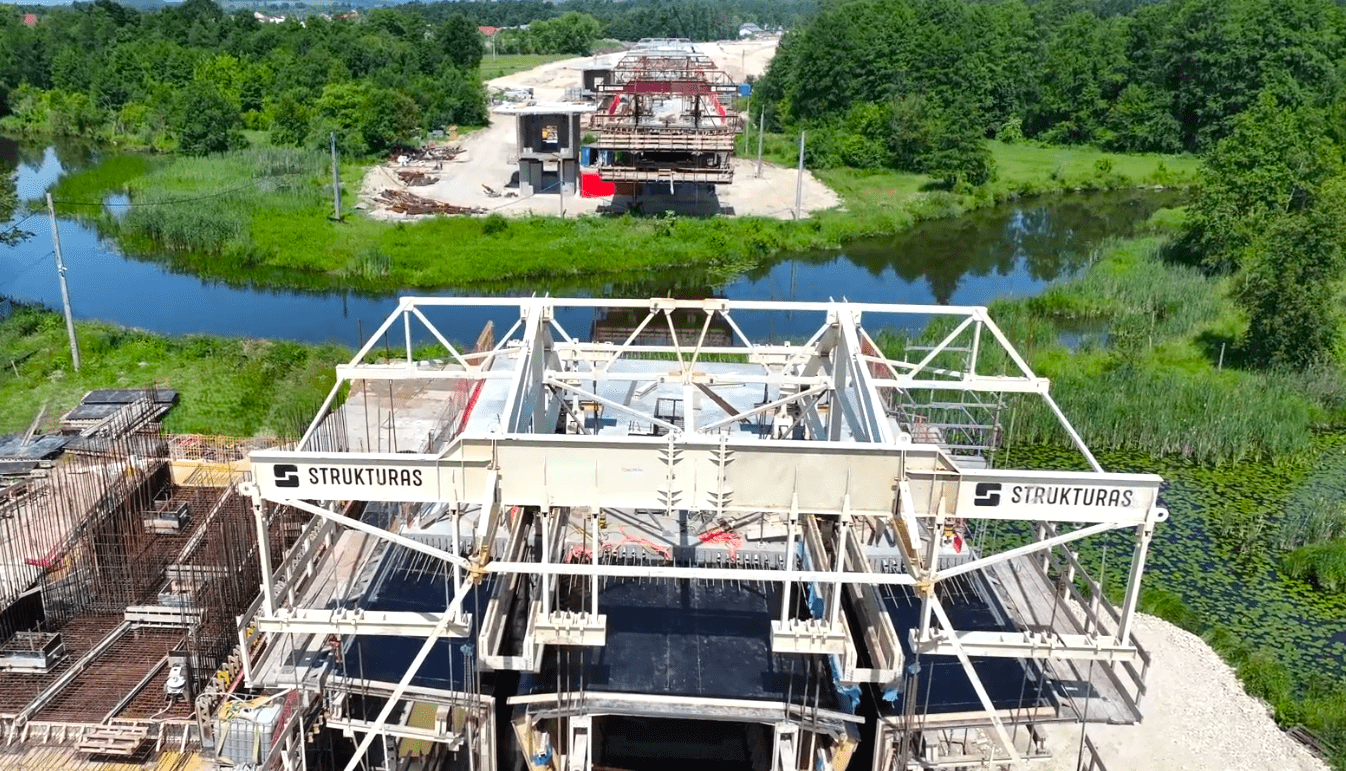
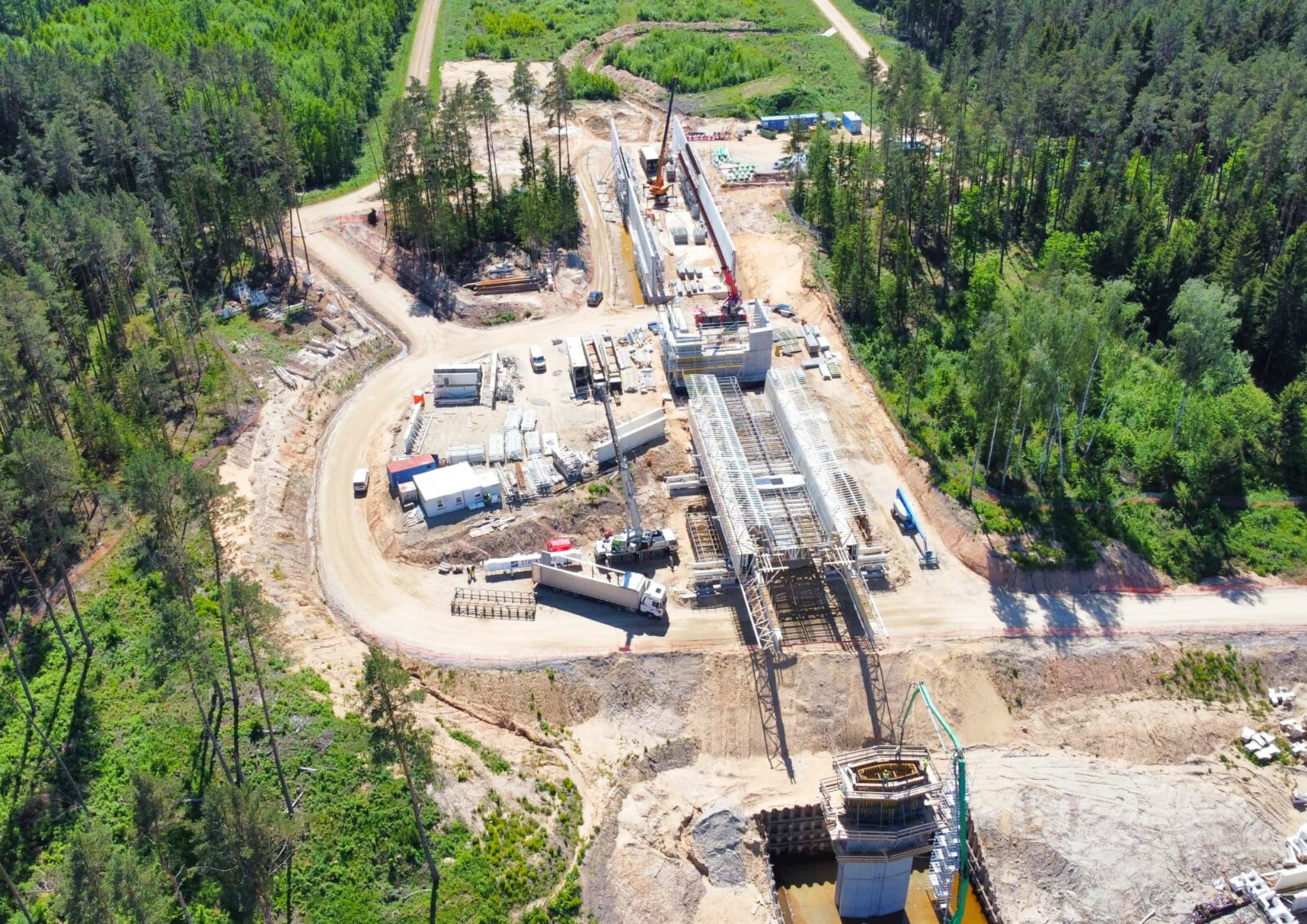
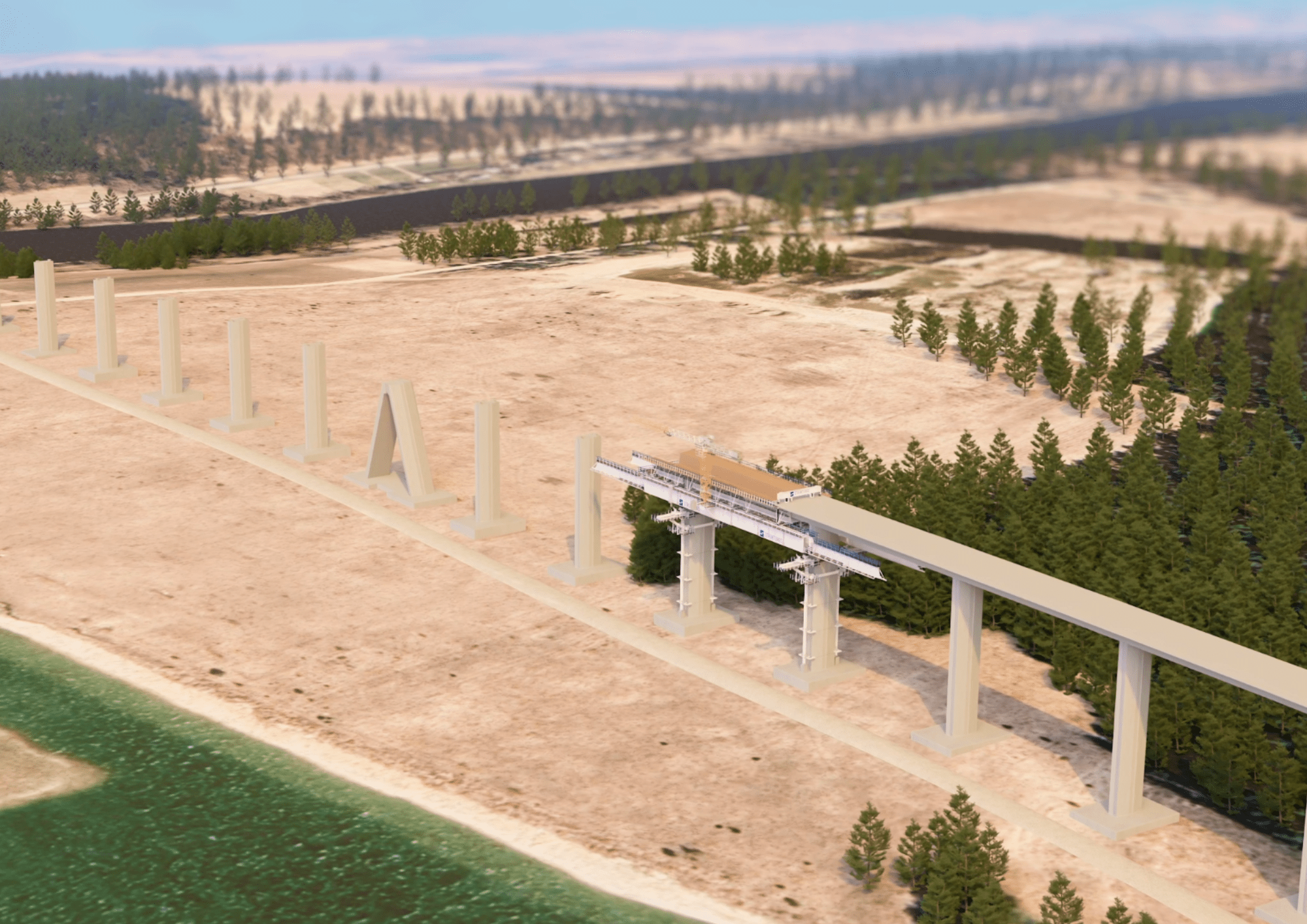
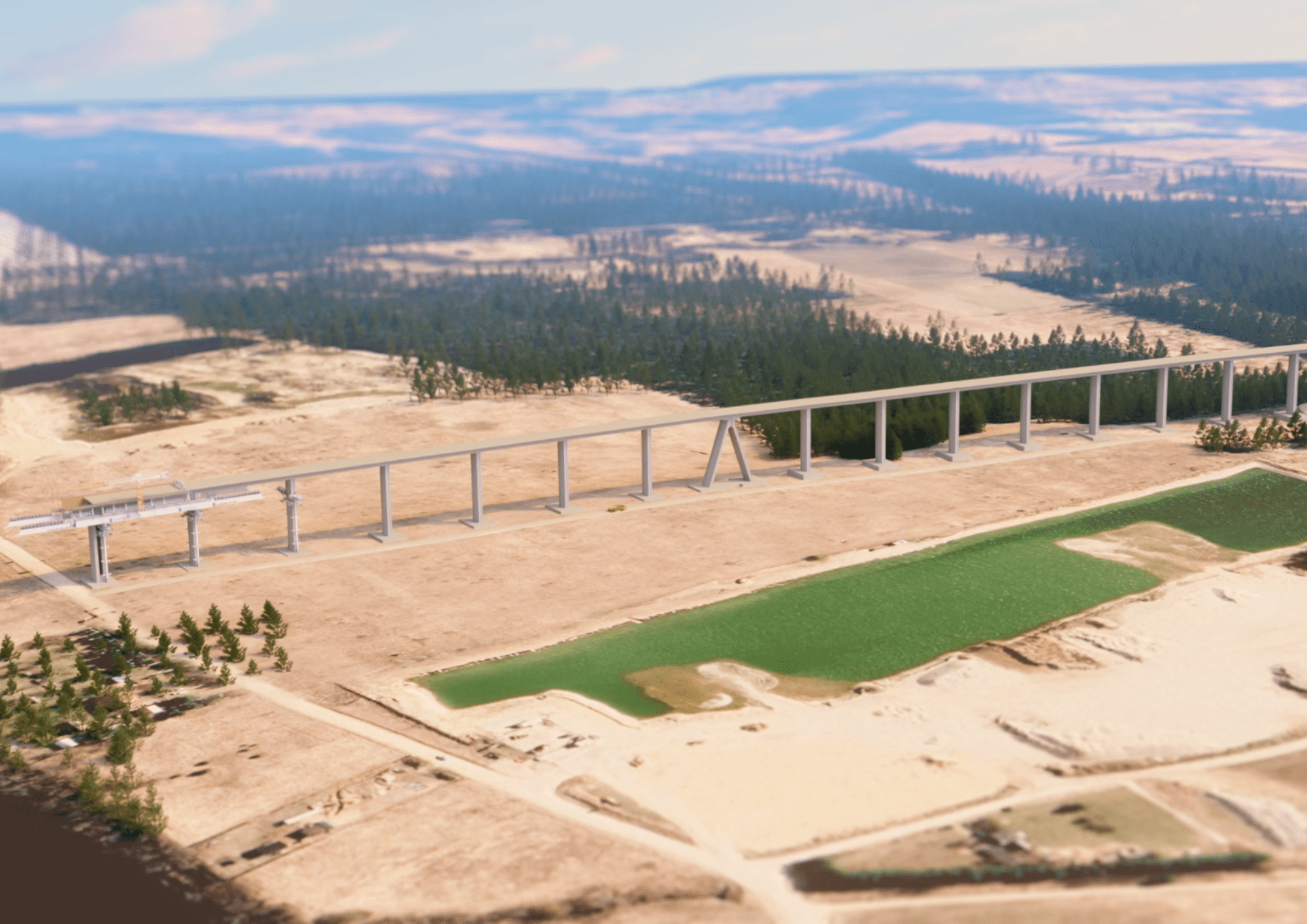
The result is a true factory in motion, advancing along the bridge axis in parallel with the deck construction.
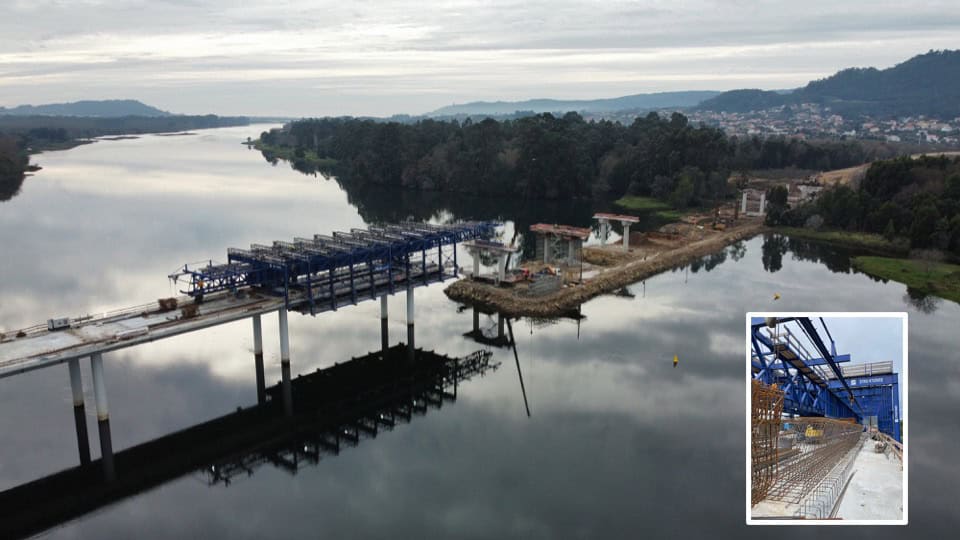
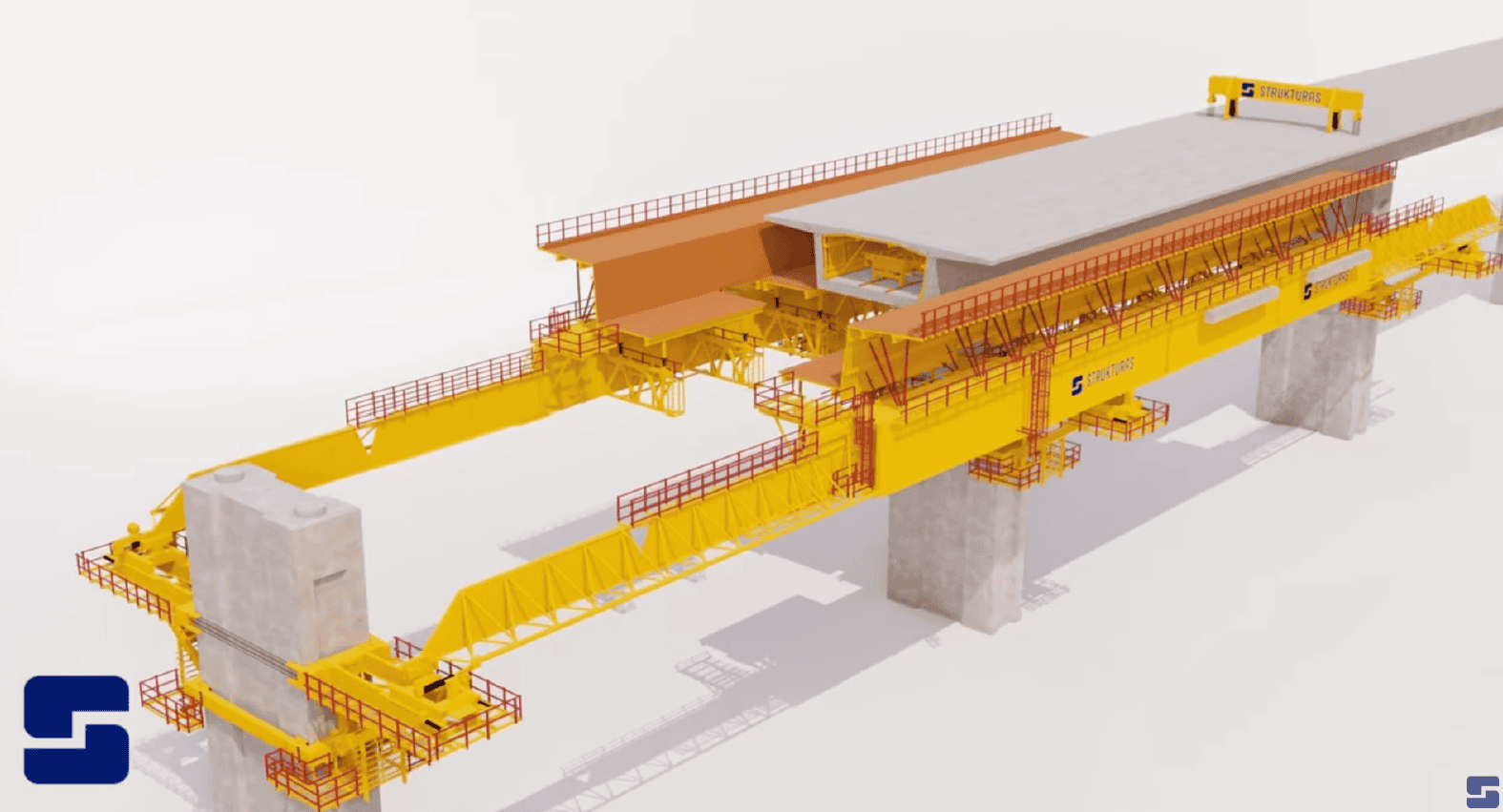
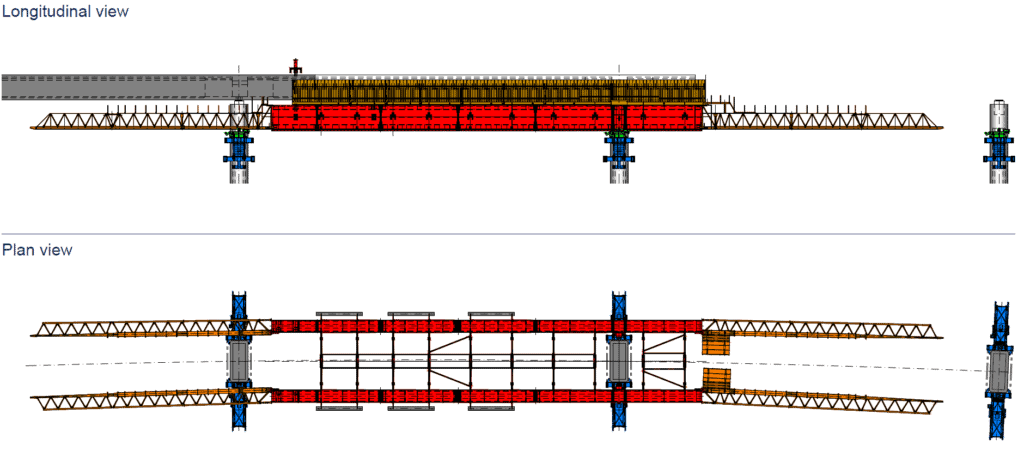
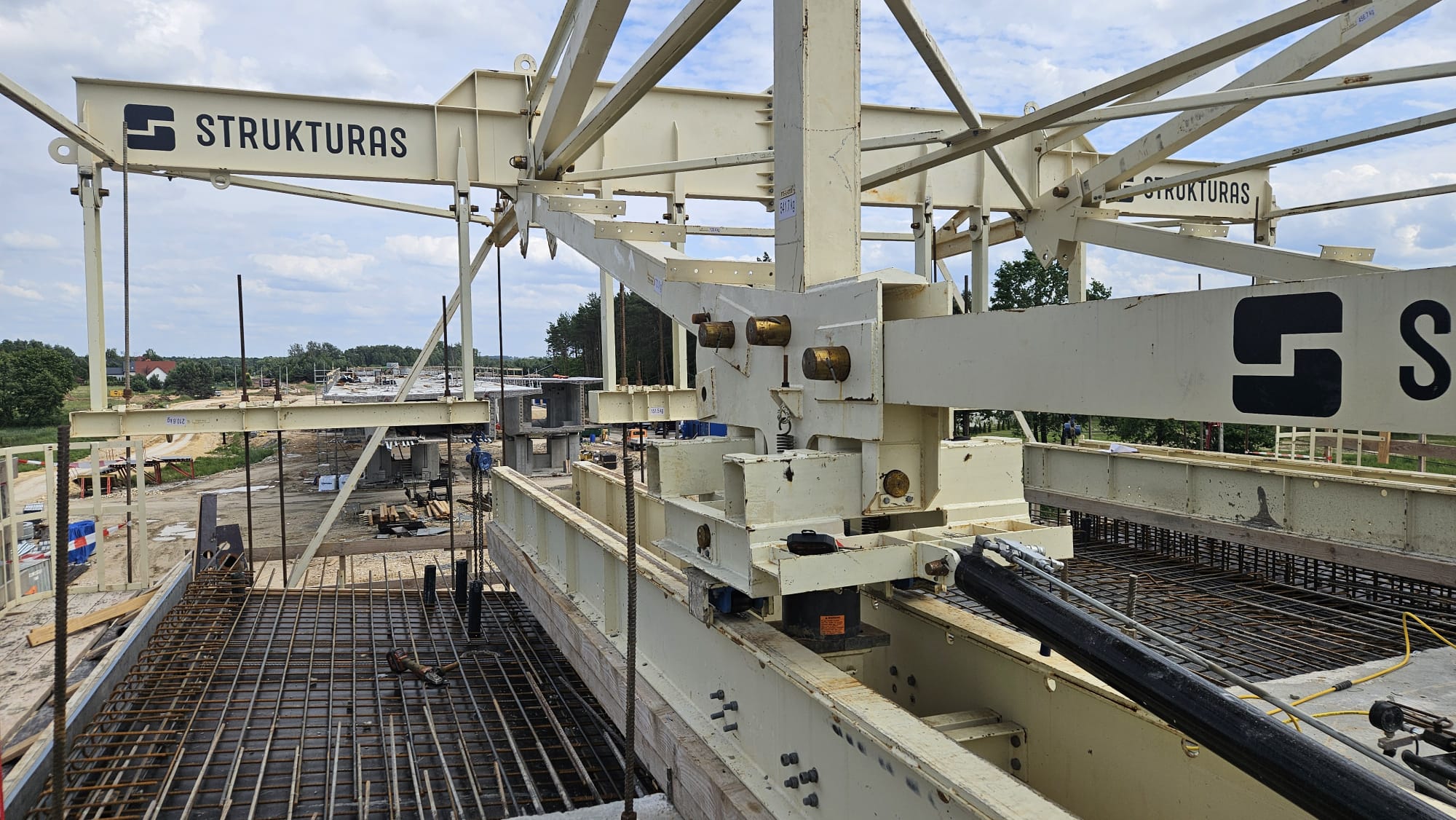
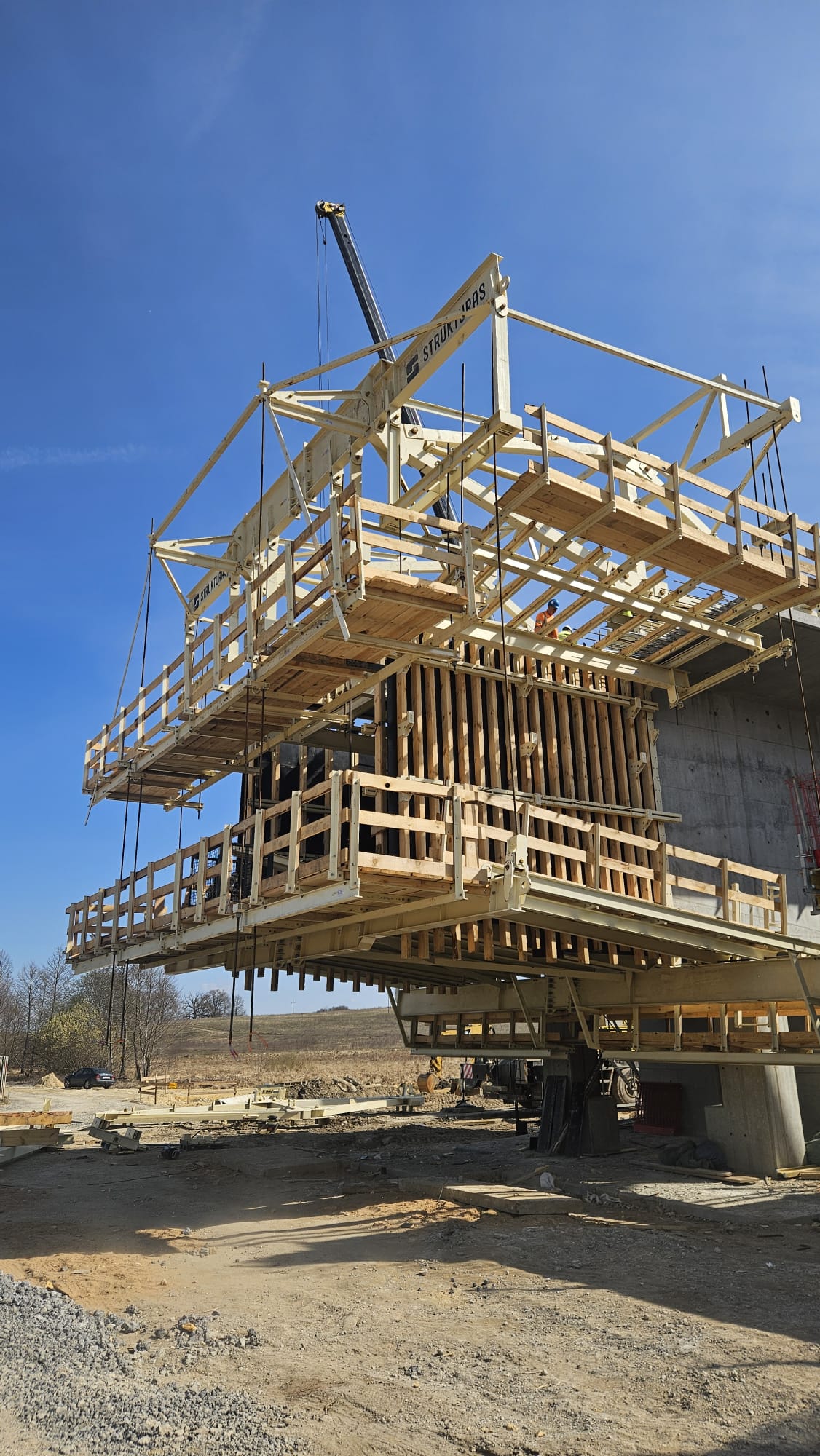
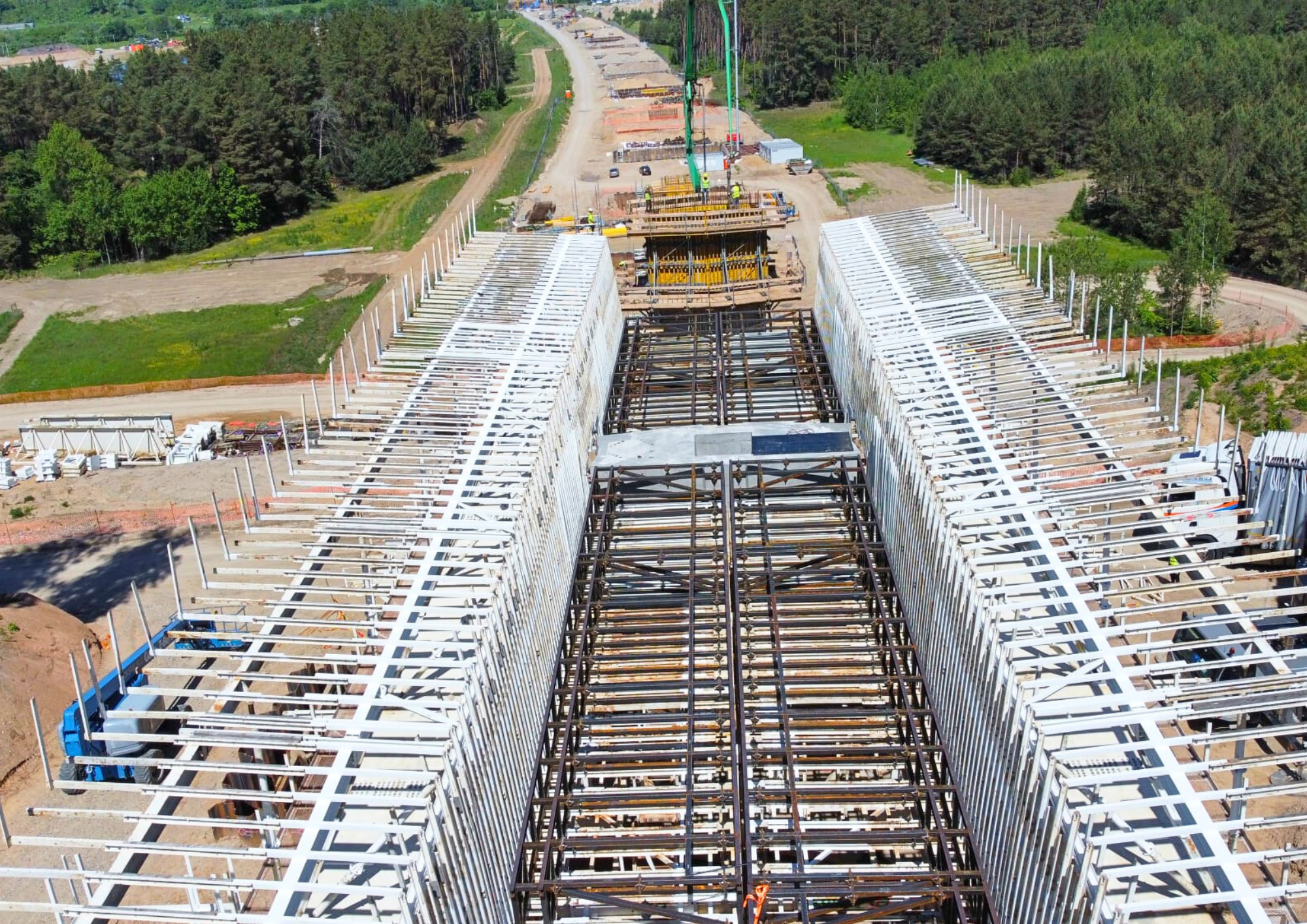
This concept is based on the creation of an autonomous production unit equipped with a main structure, supports, formwork, working platforms and access ladders, lifting systems, particularly in overhead Movable Scaffolding System typologies, geometric control devices, auxiliary infrastructure (power supply, compressed air, safety systems), and launching systems.
Each concreting cycle is therefore carried out in a nearly constant physical environment, regardless of the span location, pier height, or underlying ground conditions.
As in an industrial production line, the final product — the deck span — results from the rigorous repetition of a predefined sequence of operations.
The analogy with a factory becomes particularly evident when analysing the production cycle of the Movable Scaffolding System.
Each launch corresponds to a “production batch,” subject to detailed planning, with clearly defined durations, resources, and operational sequences.
The stability of the layout and the repetition of processes make it possible to reduce variability, minimise errors, and introduce incremental improvements over time, in a logic closely aligned with continuous improvement as applied in the manufacturing industry.
Another fundamental aspect of this industrial approach lies in the control of the production environment.
Although operating within a construction context, the MSS provides significantly more predictable conditions than traditional methods: stable platforms, defined access routes, repeated working positions, and clear interfaces between teams.
This predictability facilitates not only production planning but also quality and safety control, since procedures can be standardised and systematically verified in each cycle.
From an organisational standpoint, the MSS imposes a structure comparable to that of a factory unit. Teams are specialised by task, material flows are planned, operation times are monitored, and deviations are analysed.
The management of the MSS thus ceases to be merely a matter of site coordination and instead incorporates concepts typical of industrial management, such as functional layout, operation balancing, and optimisation of internal flows.
Finally, by moving along the deck while maintaining its essential configuration, the Movable Scaffolding System decouples the production process from the external constraints of the construction site.
The ground no longer serves as the support for production; it is the equipment itself that carries the “factory” with it.
This characteristic constitutes one of the system’s greatest advantages, allowing advanced industrial principles to be applied in a sector traditionally marked by the singularity of each project.
The MSS thus embodies a rare synthesis of mobility and industrialisation, positioning itself as one of the most mature expressions of construction rationalisation in contemporary bridge engineering.
STRUCTURAL DESIGN OF BRIDGES AND VIADUCTS AND THE INDUSTRIALIZATION OF THE CONSTRUCTION PROCESS
The industrialisation of in-situ cast concrete deck construction using Movable Scaffolding Systems begins at the structural design stage of bridges and viaducts.
The efficiency of the production cycle depends not only on the performance of the equipment but also, to a large extent, on the geometric and constructive choices made in the design phase.
Design solutions that favour geometric simplicity, structural repetition, and dimensional stability of spans are decisive for maximising the performance of systems based on stabilised production cycles, such as the MSS. However, these premises are not always properly considered, and in many cases, the impact of certain design decisions on overall cost, including labour, auxiliary equipment, and additional operations required for deck construction, is underestimated.
Among the factors most frequently identified in contemporary bridge designs that hinder the optimisation of construction cycles and require additional adjustment and regulation operations when using the MSS, the following stand out:
- Vertical or near-vertical inclination of the deck webs over their full height or part of it, preventing the simple lowering of the external formwork and requiring prior panel opening operations, with consequent significant readjustments of the MSS.
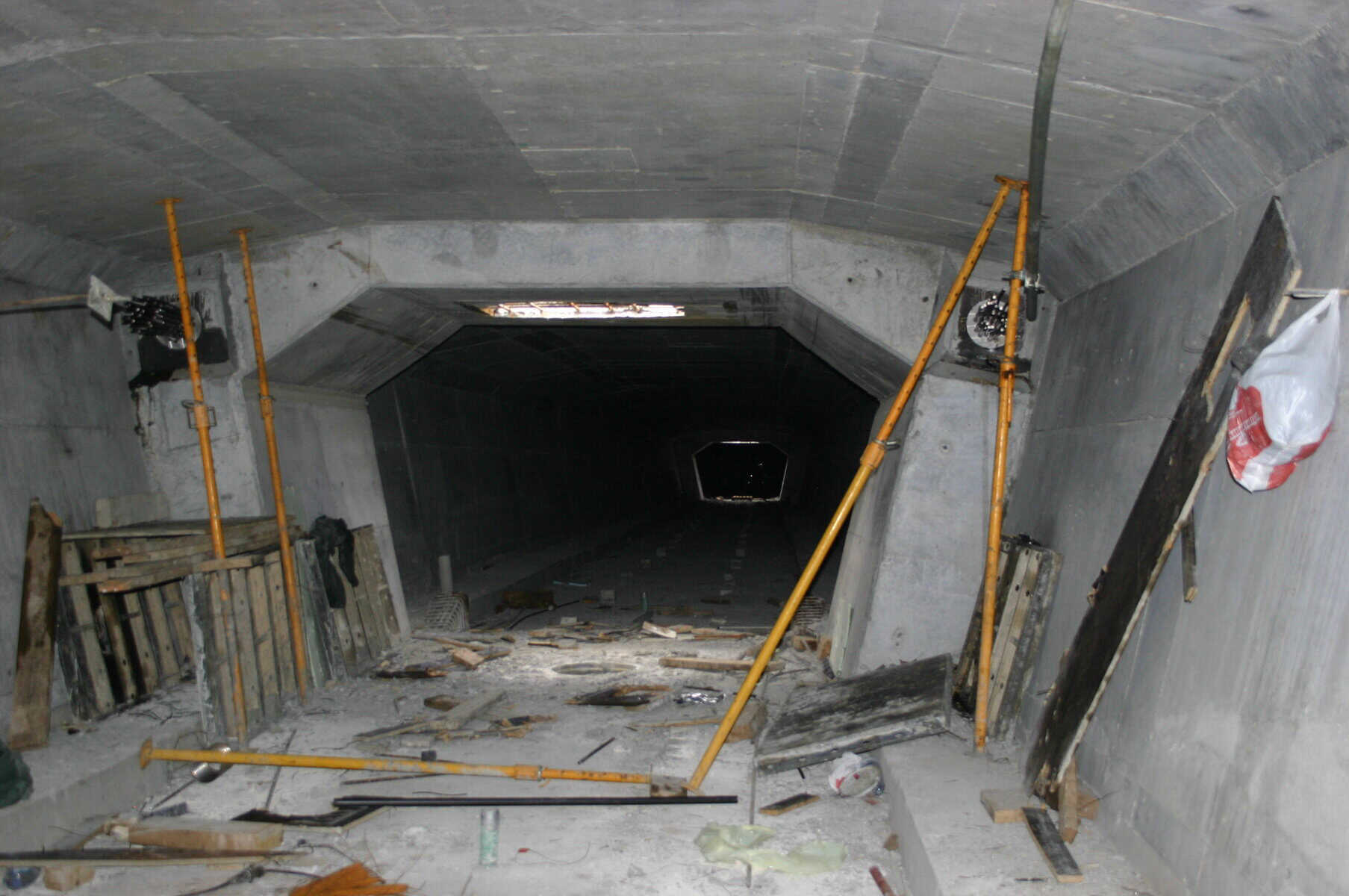
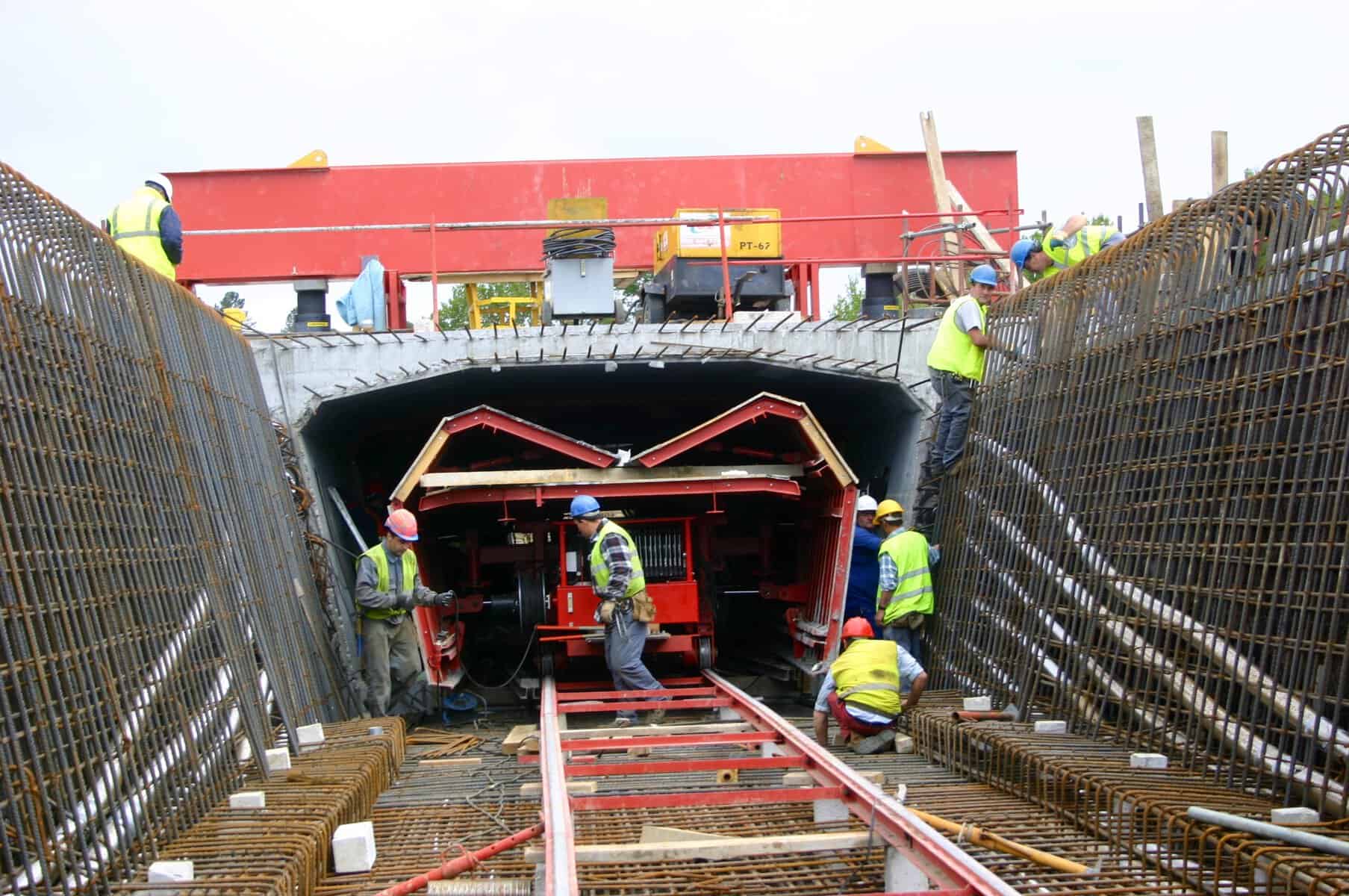
- Absence of openings in internal diaphragms of box girder decks with dimensions adequate to allow the passage of closed internal formwork mounted on mechanised transport trolleys.
- Definition of transverse superelevation only at the top slab level, while maintaining the underside of the deck horizontal, leading to variation in web height and thereby preventing the use of constant-height formwork and precluding single-stage concreting in box girder decks.
- Design of piers without consideration of the actions transmitted by the MSS during the launching phase, potentially requiring supplementary propping or bracing systems.
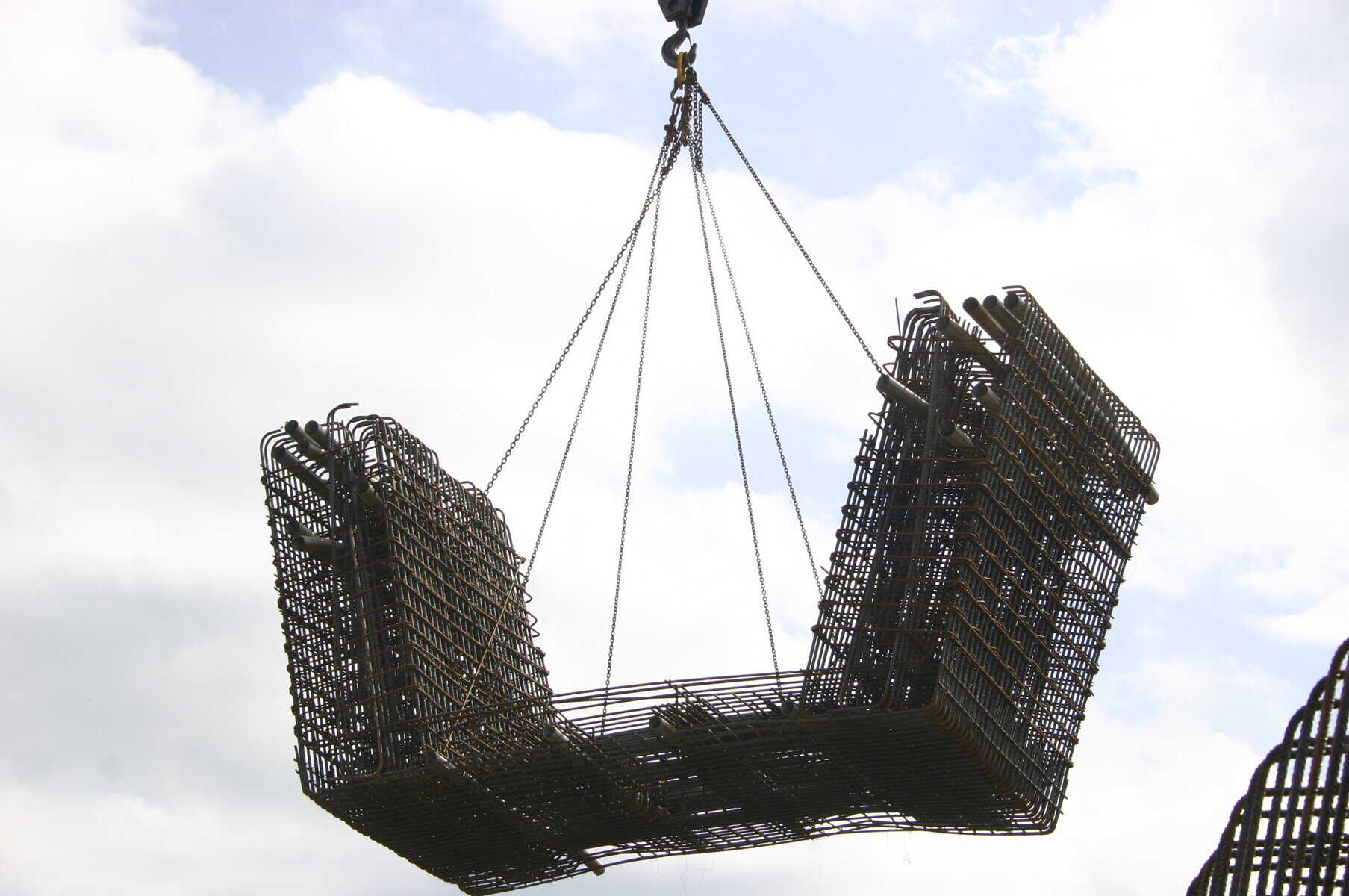
- Reinforcement detailing that hinders preassembly, thereby compromising the rationalisation of the critical task within the production cycle, namely the assembly of the reinforcement for each span.
- Prestressing solutions incompatible with reinforcement preassembly or with the sequential organisation of the production cycle.
- The existence of multiple spans with different lengths requires readjustment of the camber settings of the MSS each time it is moved to a span of a different length, thereby introducing additional operations into the production cycle and increasing process variability.
- Adoption of spans adjacent to expansion joints or abutments with lengths exceeding 80% of the maximum span, requiring the MSS to be designed for this most unfavourable condition, with a direct impact on its self-weight and on the required formwork length.
These examples demonstrate that the optimisation of the construction process cannot be dissociated from the structural design of the bridge or viaduct.
The mechanisation of internal formwork transport in box girder decks constitutes a paradigmatic example of the industrialisation effort, showing how the compatibility between structural design and construction methods enables the reduction of ancillary operations, stabilisation of the production cycle, and enhanced overall process efficiency.
Effective industrialisation of construction using Movable Scaffolding Systems therefore requires an integrated approach, in which design and construction methods are understood as inseparable components of a single technical system.
Whenever the structural design of the bridge or viaduct is conceived with awareness of the industrial logic of the MSS, the production cycle stabilises rapidly, allowing the teams’ learning curve to generate cumulative productivity gains.
Industrialisation is not merely a consequence of the MSS; it is also a design decision made at the bridge or viaduct conception stage.
THE PRODUCTION CYCLE AS A UNIT OF ANALYSIS
Although the structural design of the MSS, as a temporary steel structure, is decisive in ensuring its structural safety under the various load scenarios considered (from initial assembly to final dismantling, including concreting and launching phases) and therefore demands the highest level of technical attention, there is often an excessive focus on optimizing the structural efficiency of the equipment to the detriment of its overall functionality as a production unit. It may compromise essential principles associated with the industrialisation of the construction process.
The design of Movable Scaffolding System solutions should therefore be carried out by multidisciplinary teams, integrating structural design in accordance with applicable codes and criteria, user safety, ergonomics, and, crucially, optimisation of the production cycle by minimising the number of operations required to construct a span.
A thorough understanding of the construction cycle for each span and the tasks inherent to the system’s operation is an essential condition for developing truly optimised solutions that minimise the total cost of span construction.
This cost results not only from the investment in the MSS itself, but also from the auxiliary support equipment involved and the labour required throughout the cycle. The sum of these factors determines the final cost and, consequently, the perceived effectiveness and competitiveness of the adopted solution.
It is observed, however, that many systems currently available on the market do not yet fully embody the principles of industrialisation, presenting functionally sub-optimised solutions that require ancillary tasks and excessive reliance on auxiliary equipment — aspects that a more integrated design approach, oriented toward the production cycle, could eliminate or at least significantly reduce.
Practice demonstrates that the first solution conceived by the engineer is rarely the most efficient; optimisation emerges through critical analysis of the process and the progressive elimination of redundant operations.
Applied to Movable Scaffolding Systems, this principle means that the equipment must be designed to minimise tasks that do not add direct value to span construction.
The key to success lies in organising the cycle according to the principles of work theory: eliminating unnecessary movements, avoiding recurring and potentially avoidable adjustments, and stabilising procedures.
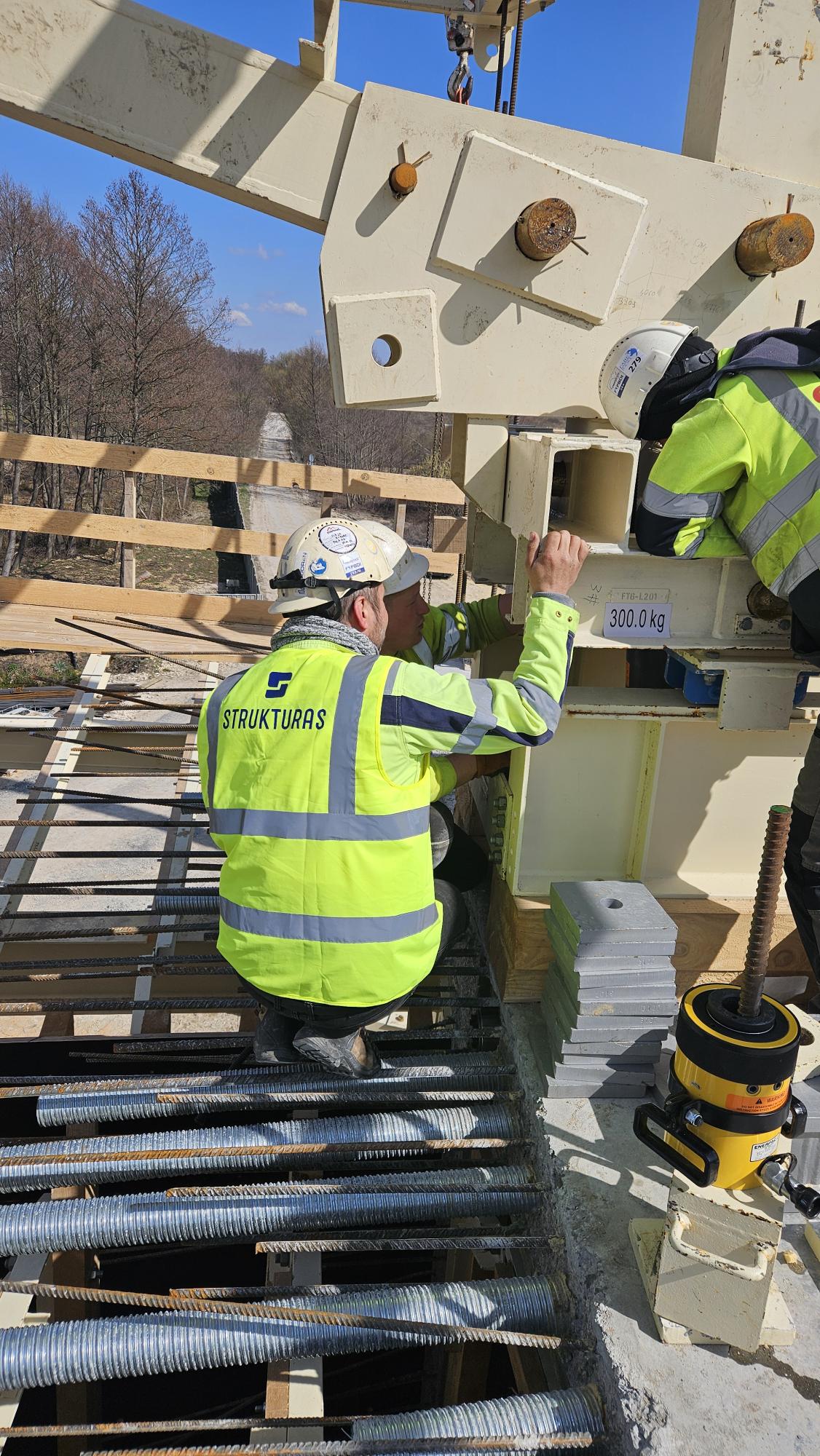
The shorter the distance each Movable Scaffolding System operator must travel to complete the production cycle, and the fewer ancillary interventions required beyond the essential system adjustments, the greater the industrial maturity of the equipment and its alignment with the true concept of industrialisation.
Practice shows that even in bridges and viaducts with identical structural design, the number of man-hours required, reliance on auxiliary equipment, and production cycle duration may vary substantially across different MSS solutions.
MSS, demonstrating that the efficiency of the process depends strongly on the quality of its functional design. It should be noted that the average duration of a span construction cycle under normal conditions is between 1 and 2 weeks.
Figure 8 shows the typical duration of a construction cycle for a box-girder deck. For spans between 45 m and 55 m, the team of operators responsible for launching and adjusting the MSS, including formwork operations, may consist of approximately 12 experienced workers.
For concrete decks with TT cross-sections and spans on the order of 25 m to 35 m, geometric simplification generally reduces the cycle duration to approximately one week, with the required team comprising 9 to 10 experienced operators.
Naturally, when discussing cycle durations, it is necessary to consider the type of concrete used in span construction, the waiting time after concreting before prestressing can be applied and the MSS can be stripped, and the prestressing method. The functional specialisation of the teams involved in span construction is a key element. In an industrial environment, repetition fosters learning and efficiency.
In the MSS, the consistent allocation of tasks to specific teams (rebar workers, formwork carpenters, prestressing operators, concreting crews) helps reduce errors, improve execution quality, and stabilise operation times. This specialisation, however, must be accompanied by effective coordination to ensure continuity of the production process and to avoid discontinuities between phases.
Quality control also assumes an industrial dimension. The repetition of cycles allows for the definition of standardised procedures, checklists, and systematic inspection points. Each span becomes a product with clearly defined geometric and structural requirements, whose compliance can be objectively verified. This framework enhances traceability and the early detection of deviations, reducing rework and increasing the overall reliability of the solution.
WORK STUDY APPLIED TO MOVABLE SCAFFOLDING SYSTEMS
In a Movable Scaffolding System, the production cycle must include only the operations strictly necessary to execute the span, eliminating all activities that do not add direct value to the construction process. The organisation of the cycle requires a clear distinction between productive and non-productive work, suppressing waiting times, unnecessary movements, interference between teams, and avoidable recurring adjustments.
This rationalisation, based on the classical principles of work theory, is an essential condition for the MSS to function as a truly industrial system.
The systematic repetition of the production cycle makes the MSS particularly well suited to the application of methodologies developed in industrial engineering. In a context where operations are repeated in a virtually identical manner over dozens of spans, it becomes possible to observe, measure, compare, and optimise methods with a degree of rigour rarely achievable in traditional construction.
Work study is founded on two complementary pillars: method study and time study. In the case of the MSS, both find a particularly favourable framework, since the physical layout, operational sequence, and general execution conditions remain stable throughout the repetitive cycle.
The industrialisation of deck construction using MSS requires that the production cycle be analysed and organised in accordance with the classical principles of Work Study.This discipline, developed within the field of industrial engineering, aims to reduce work to that which is strictly necessary to achieve the intended result.
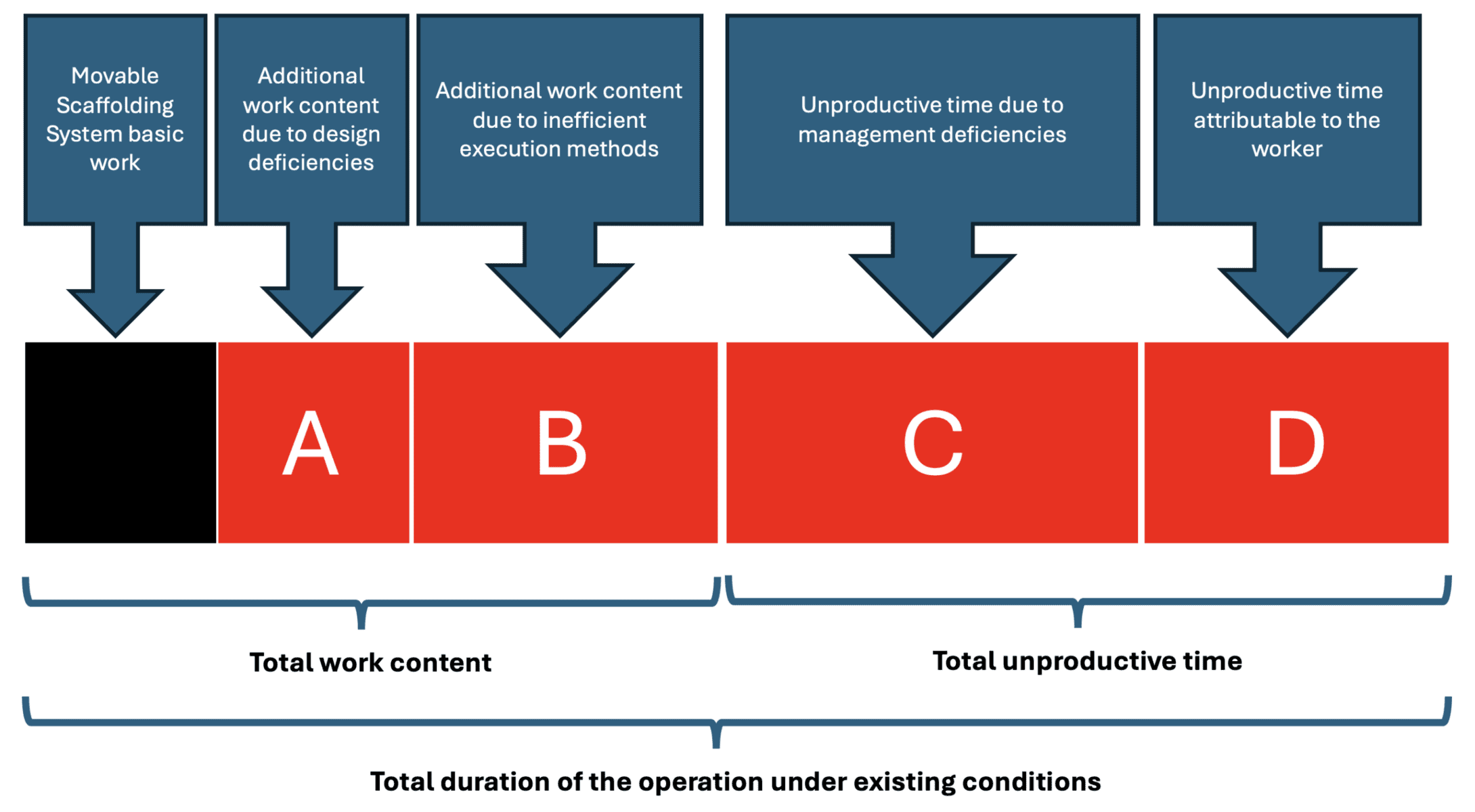
In the context of span construction, the work involved in adjusting and operating the MSS can be broken down into three fundamental categories:
- Fundamental work: indispensable for the adjustment and operation of the MSS for span execution (its lowering, opening the formwork, launching to the next span, cambering adjustment, etc.).
- Supplementary work: resulting from defi-ciencies in method, organisation, or design (for example, dismantling parts of the MSS to allow other tasks to be carried out, such as the transport of preassembled reinforcement, etc.).
- Unproductive time: associated with waiting periods, unnecessary movements, crew interferences, or unplanned interruptions.
Industrialisation consists precisely in the progressive reduction of supplementary work and unproductive time, preserving only fundamental work in its simplest and most rational form.
Method Study
The methodological study aims to critically analyse how the adjustment and operation tasks of the Movable Scaffolding System are carried out. In each production cycle (preparation, lowering of the system, opening and closing of formwork, cambering adjustment, longitudinal launching, among other phases), different equipment subsystems are involved.Each of these phases can be broken down into elementary, observable, and repetitive operations that can be analysed and simplified.
It is precisely in this decomposition that the essence of MSS design lies: a functionally under-refined solution inevitably introduces supplementary work and unproductive time that could have been avoided at the design stage.
This decomposition allows the following questions to be raised:
- Are the adjustment and operation subsystems of the Movable Scaffolding System the most appropriate?
- Is the sequence of operations the most logical?
- Are there tasks that could be eliminated?
- Are there recurring manipulations or adjustments resulting from insufficiently refined design solutions?
- Does the layout of working platforms and access ladders facilitate or hinder the work?
- Is the number of levels that operators must access to adjust and operate the Movable Scaffolding System reduced to the minimum necessary?
The systematic application of these questions simplifies the operation and adjustment cycle of the MSS. However, it is important to emphasise that many of the operations carried out on site do not arise from unavoidable functional requirements, but rather from design choices related to the equipment’s own subsystems.
Whenever the MSS requires intermediate dismantling, recurring adjustments, complex reconfigurations, or auxiliary interventions to enable subsequent tasks, it generates additional work. This work does not add value to the span; it results from a design that has not been sufficiently optimised.
At this point, the technical responsibility of the MSS supplier becomes evident. Industrialisation depends not only on site organisation, but also on the functional quality of the system as designed. A well-engineered system should minimise handling operations, simplify interfaces, and reduce the number of operations required to adjust the equipment for each new span.
Time Study
Time study complements the method study by quantifying the actual duration of operations. The systematic repetition of adjustment and operational cycles in the MSS creates particularly favourable conditions for reliable time measurement and for the establishment of stable performance benchmarks.
Time analysis makes it possible to clearly distinguish between:
- Productive time (associated with fundamental work);
- Supplementary time (resulting from avoidable operations);
- Unproductive time (waiting, unnecessary movements, interferences).
By making these time components visible and measurable, an objective basis for continuous process improvement is established.
In systems characterised by repetitive use, such as the MSS, small inefficiencies accumulate over dozens of cycles and therefore significantly impact the overall cost of the project.
Every unnecessary movement, every avoidable adjustment, and every operational interference adds up to accumulated man-hours.
Responsibility in the Design of the MSS
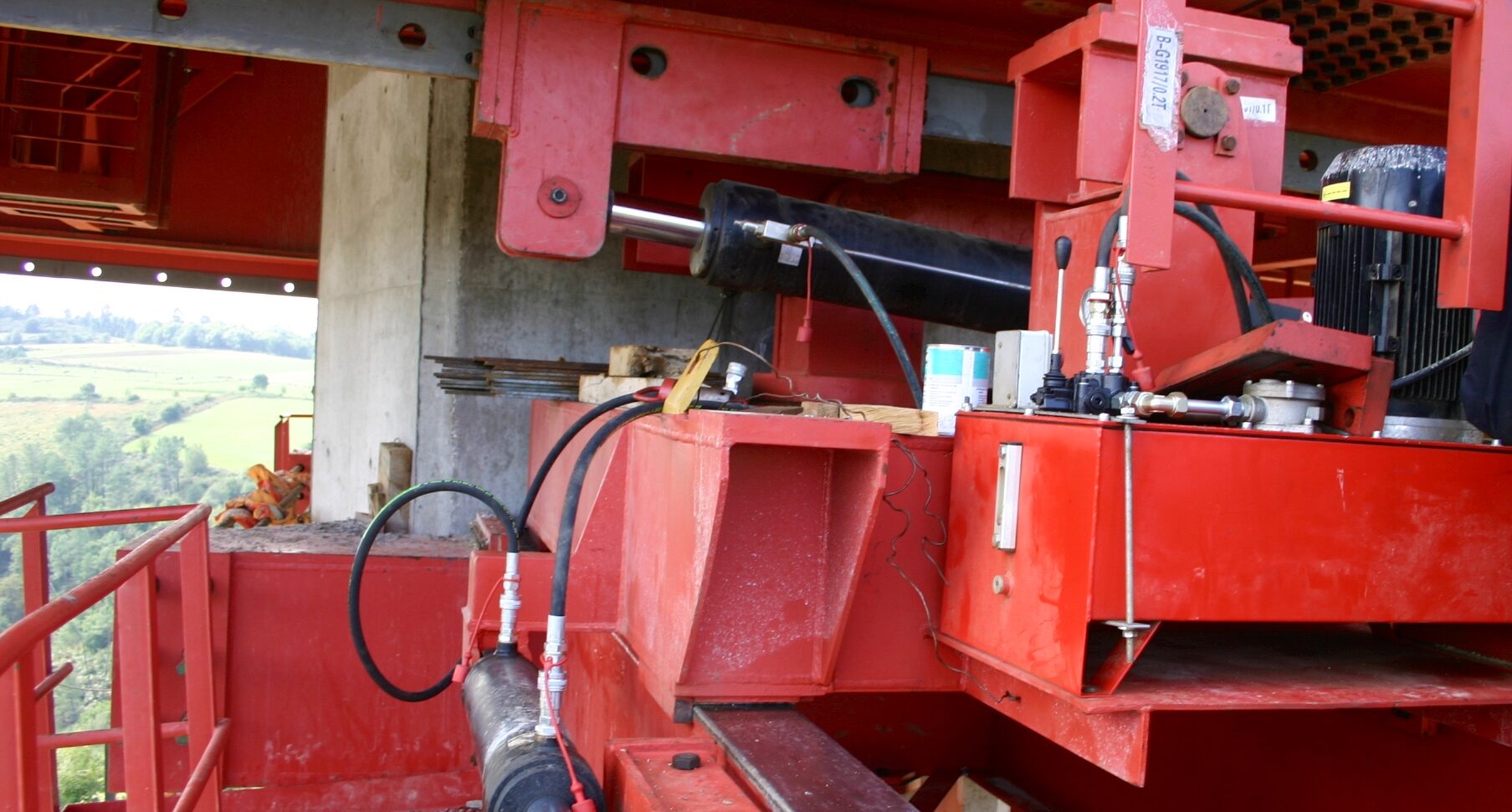
A set of subsystems must be adjusted at each cycle to adapt the equipment for the next span. The way these subsystems are designed directly influences the amount of supplementary work generated.
The more complex the interfaces and the greater the number of interventions required to reconfigure the system, the greater the operational effort associated with the cycle. Systematic analysis of methods and times demonstrates that a substantial portion of supplementary work can be eliminated during the equipment design phase.
Structural and functional simplification of sub-systems reduces interventions, stabilises procedures, and decreases man-hours per span.
The application of work study principles to the MSS, therefore, leads to a clear conclusion: the system’s industrial maturity is measured by its capacity to reduce work to its fundamental form.
Responsibility for the industrialisation of deck construction does not lie solely with site organisation; it begins with the structural design of the bridge or viaduct and continues with the functional design of the MSS itself.
A supplier who designs solutions that require unnecessary operations effectively introduces additional work into the production system. Conversely, a functionally refined system enables the cycle to be executed with the fewest interventions, movements, and adjustments.
Industrialisation is not merely a management methodology; it is a direct consequence of the technical quality of the equipment design, enhanced by a well-conceived structural design of the concrete bridge or viaduct.
INTEGRATED SAFETY WITHIN THE SYSTEM
The consolidation of the MSS as a mature solution for the industrialisation of deck construction has required the development of a rigorous certification and technical compliance framework, particularly within the scope of the Machinery Directive.
By concentrating structural, operational, and safety functions within a single large-scale piece of equipment, the MSS ceases to be merely a formwork system and assumes the status of specialised construction equipment, subject to technical requirements comparable to those applicable to industrial machinery or complex temporary structures.
Its certification must encompass structural design verification, assessment of transient phases (assembly, concreting, launching, and dismantling), and the clear definition of operational limits.
The regulatory framework results from the combination of standards applicable to steel structures, work equipment, temporary structures, and collective protection systems, requiring an integrated approach from the design stage onward.
Technical responsibility is shared among the designer, the manufacturer, and the user. Comprehensive documentation is indispensable, including design criteria, calculation reports, assembly and operation drawings, dismantling procedures, reaction forces transmitted to the bridge or viaduct structure, operation manuals, checklists, manufacturing quality control documentation, risk assessments, parts lists with references and weights, and related technical records. MSS compliance depends not only on correct structural design but also on strict adherence to the defined operating conditions.
Prior to commissioning, the system must undergo appropriate tests and verifications. During operation, periodic inspections ensure continuous control of structural and functional performance. The very repetition of production cycles constitutes an ongoing opportunity to monitor and validate the equipment’s behaviour.
The standardisation of procedures (work methods, operational sequences, and acceptance criteria) reinforces the industrial logic of the MSS, reducing ad hoc decisions and promoting consistency, traceability, and operational discipline.
Certification should therefore not be regarded merely as a regulatory obligation, but as a structural component of risk management and system efficiency. It ensures that the industrialisation of deck construction using an MSS rests on sound technical foundations and is compatible with contemporary safety and quality requirements.
Far from being peripheral, certification and standardisation are integral components of the MSS concept, which is a factory in motion.
They guarantee that the industrialisation of prestressed concrete deck construction is supported by robust technical principles aligned with the demands of modern civil engineering in terms of safety, quality, and professional responsibility.
CONCLUSIONS
The Movable Scaffolding System represents one of the most advanced expressions of industrialization in the construction of prestressed reinforced concrete bridges and viaducts. Its true effectiveness, however, does not result solely from its structural capacity, but from its conception as an integrated production system.
The industrialization of construction using a Movable Scaffolding System is based on three fundamental pillars: a structural bridge design oriented toward geometric simplicity and repetitiveness; rigorous organization of the production cycle as the primary unit of analysis; and the systematic application of work study methodologies aimed at eliminating supplementary work and unproductive time.
When these elements are properly aligned, the Movable Scaffolding System transforms the variability inherent to construction into a predictable, controlled, and progressively optimized process. The repetition of cycles enables the stabilization of methods, the reduction of crew size without compromising productivity, the enhancement of operational safety, and the strengthening of quality control.
The industrial maturity of a Movable Scaffolding System is not measured solely by its structural design, but by its ability to simplify work, reduce ancillary interventions, and minimize unnecessary movements. The true refinement of the system lies in the continuous optimization of its subsystems and in the coherent integration between structural design, construction method, and work organization.
In this sense, the Movable Scaffolding System should not be understood merely as auxiliary construction equipment, but as a mobile industrial unit — a factory in motion — that carries its production environment with it, dissociating it from site constraints and bringing heavy construction closer to the organizational models of the manufacturing industry.
The industrialization of cast-in-place deck construction is therefore not an automatic consequence of using a Movable Scaffolding System; it is the result of a deliberate decision in terms of design, organization, and technical management. It is in this alignment that the true transformative potential of the system resides.
Author:
Aquilino Raimundo, Civil Engineer
Chief Methods Engineer, STRUKTURAS